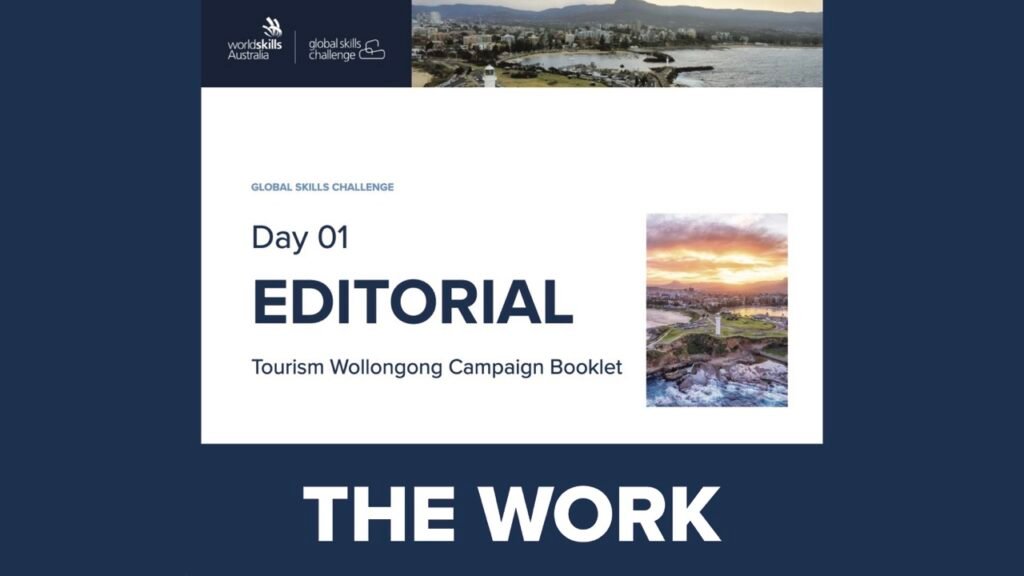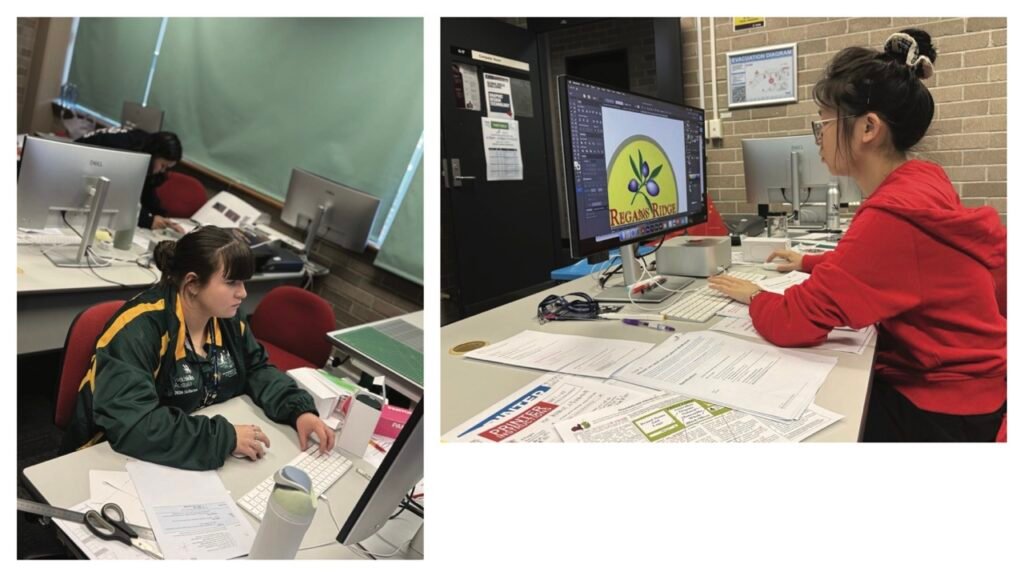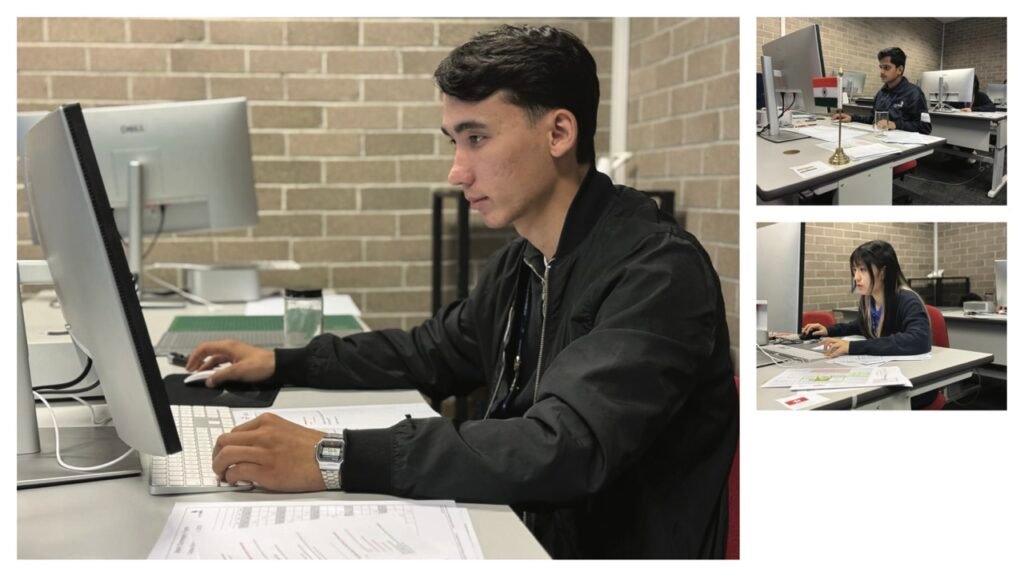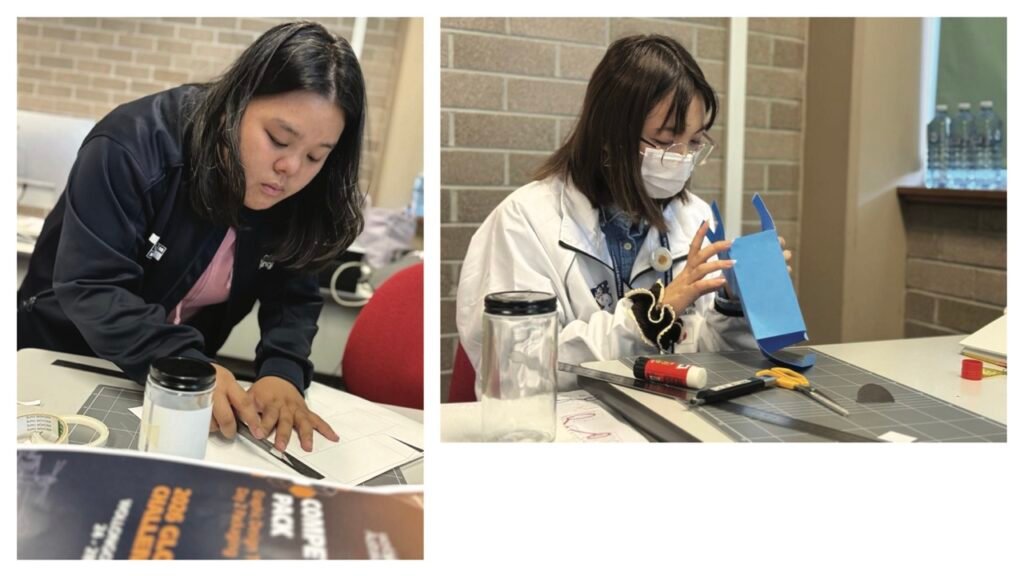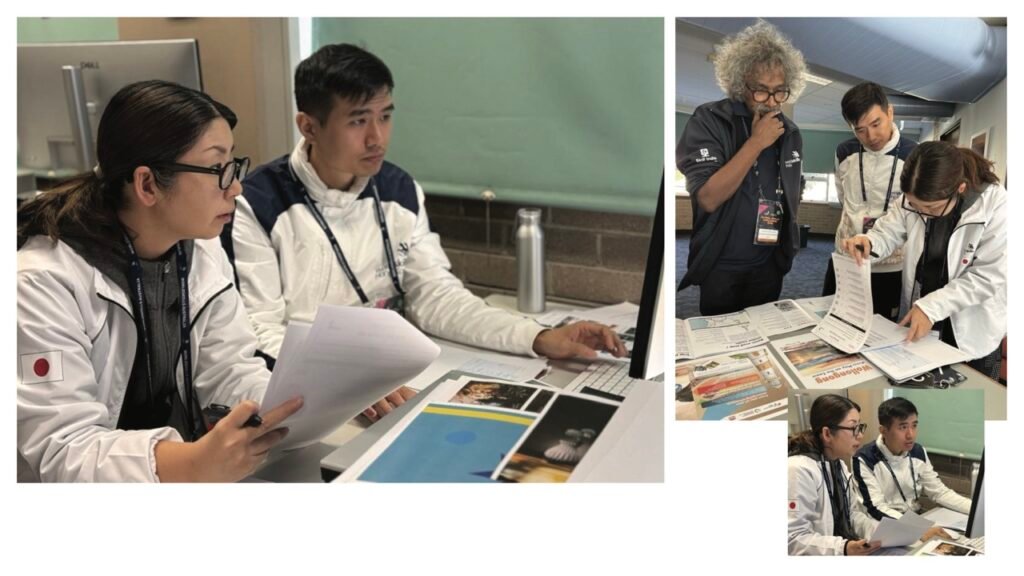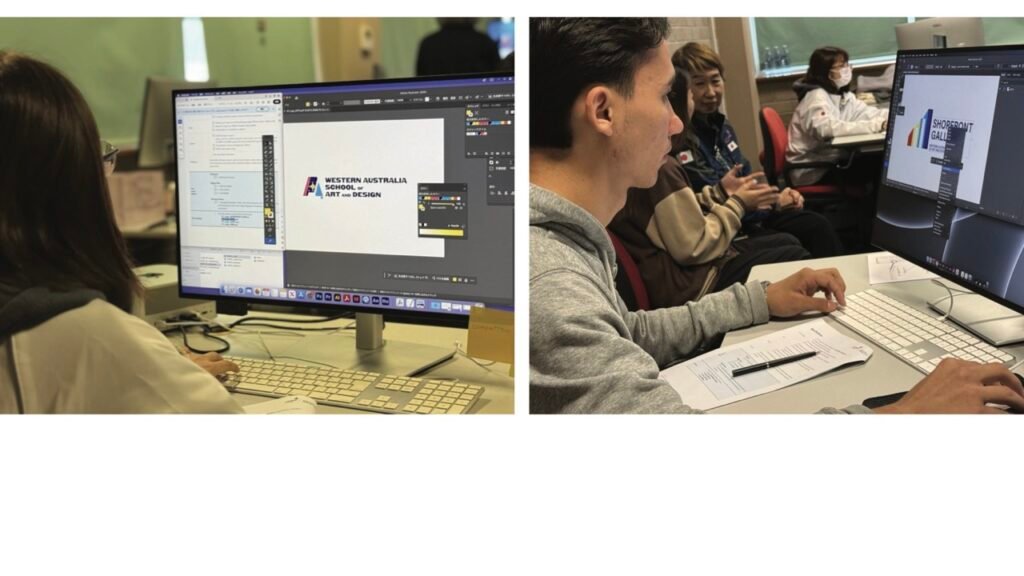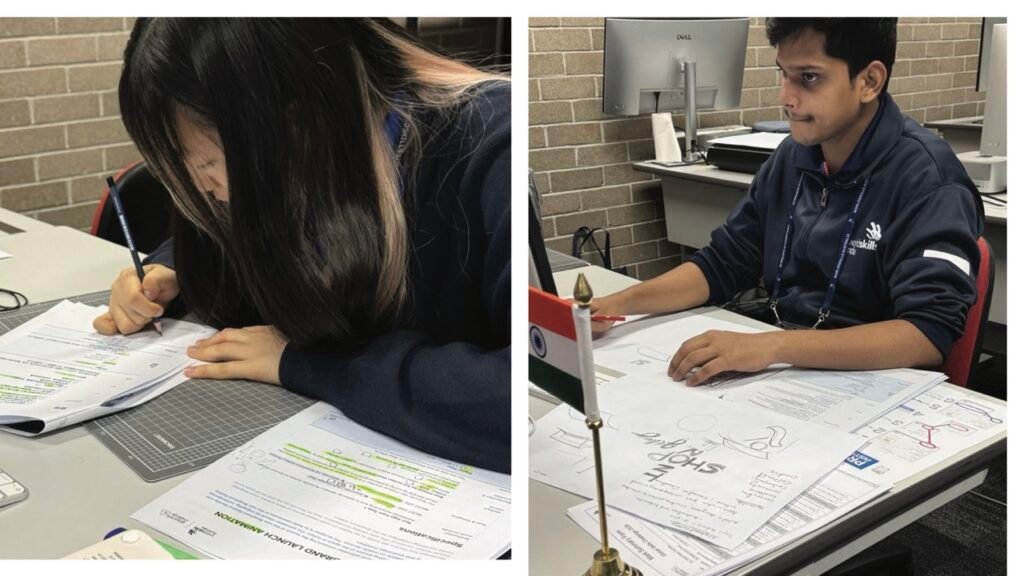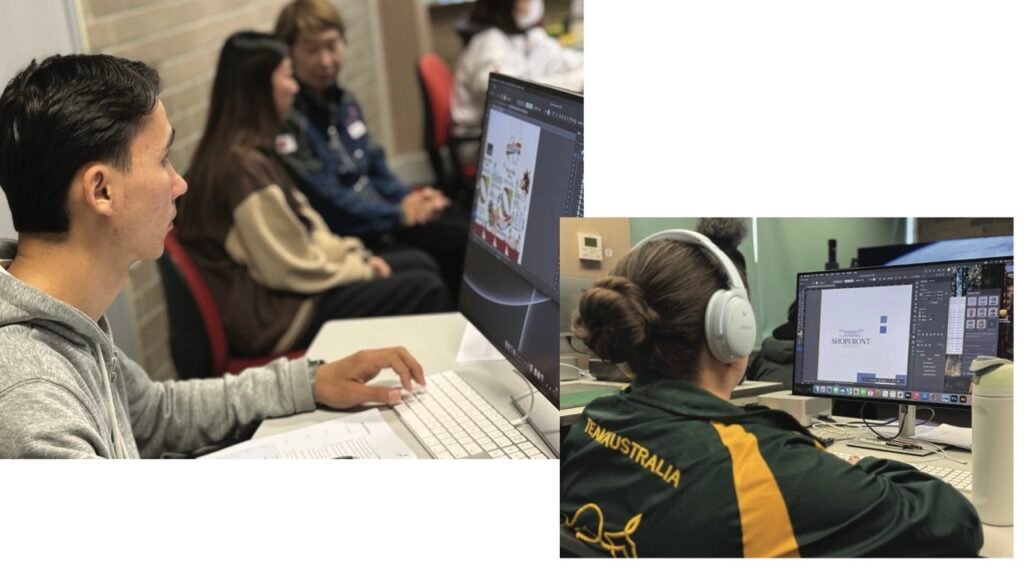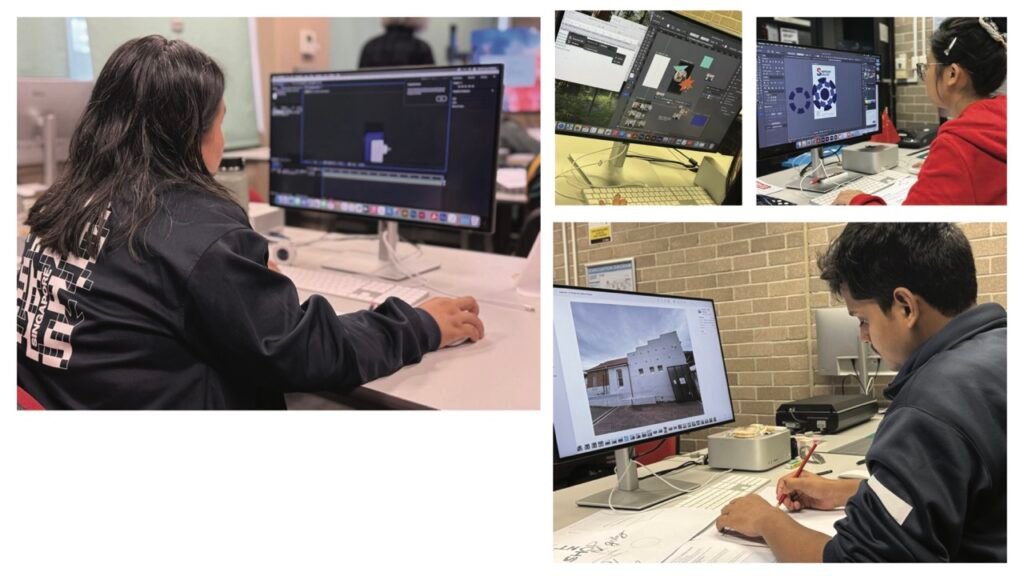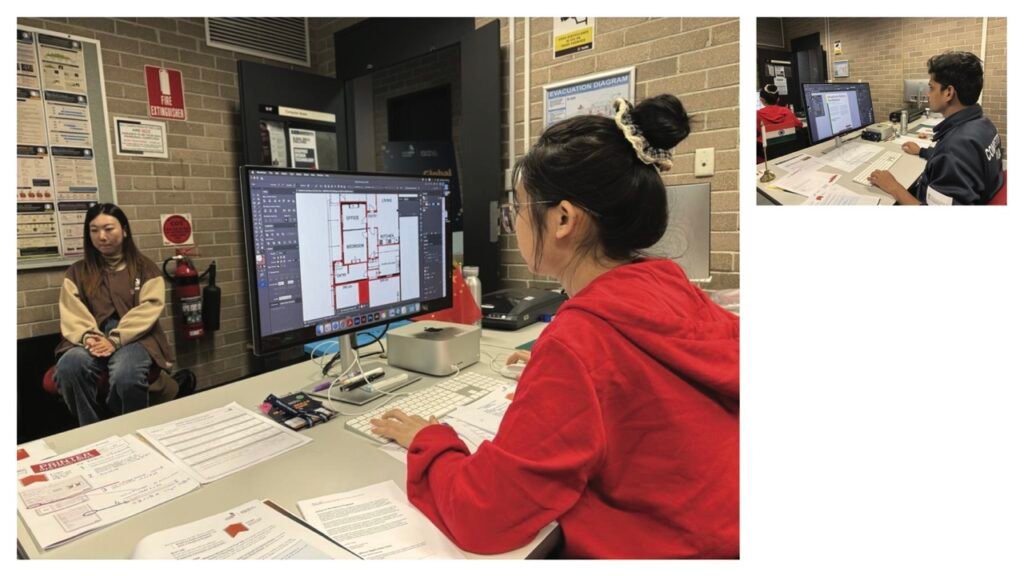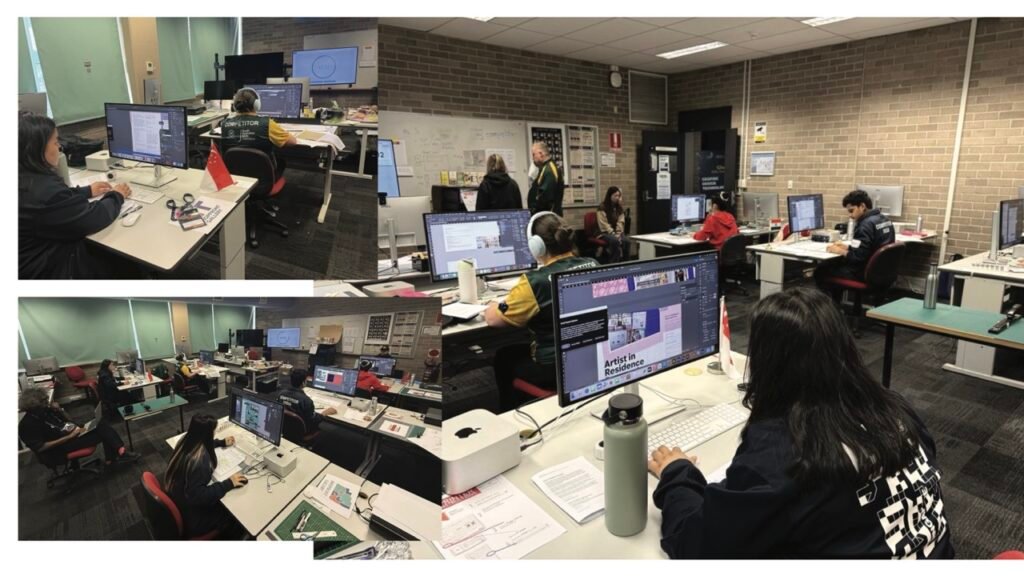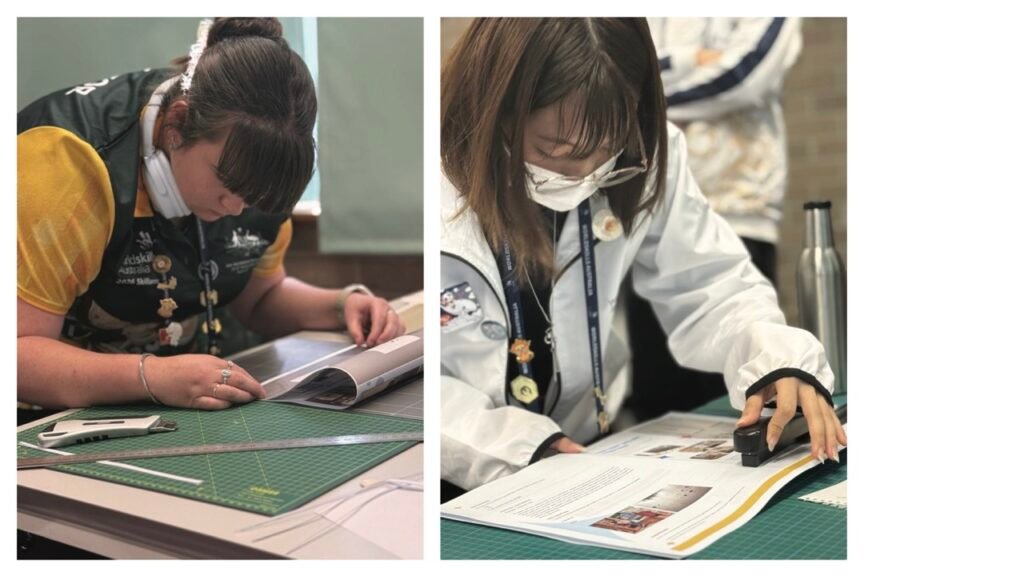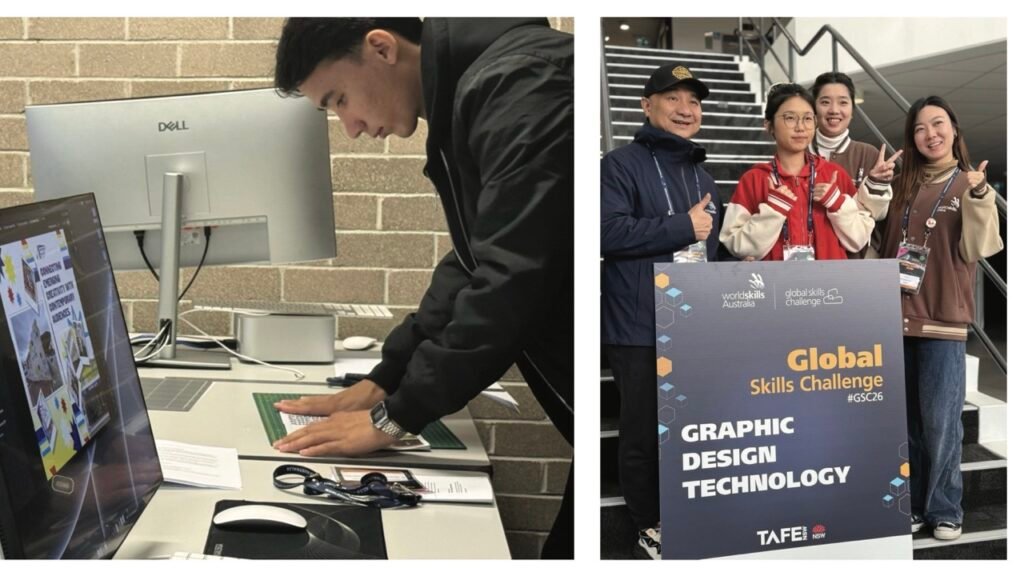

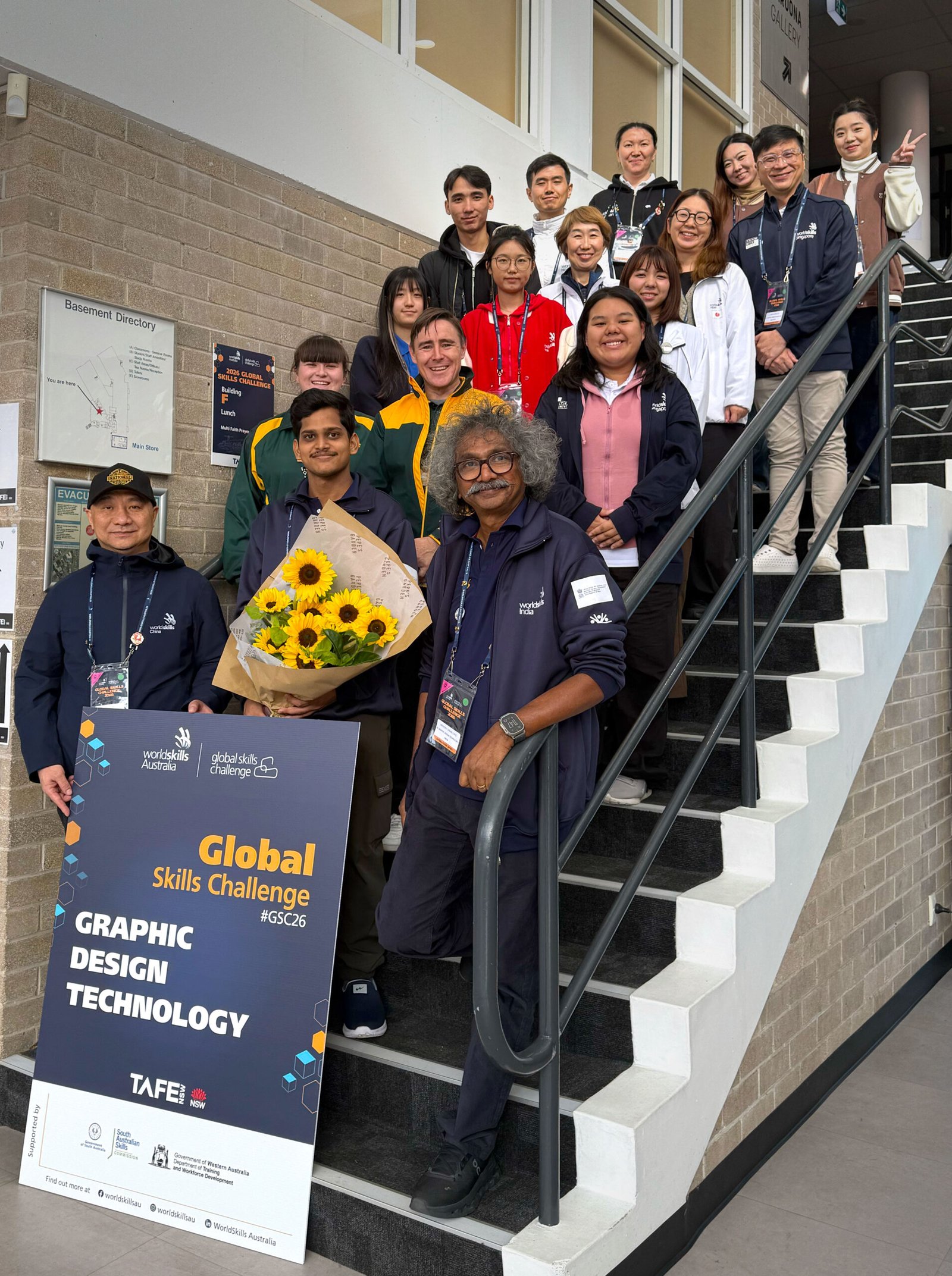
04 Jul Global Skills Challenge 2026
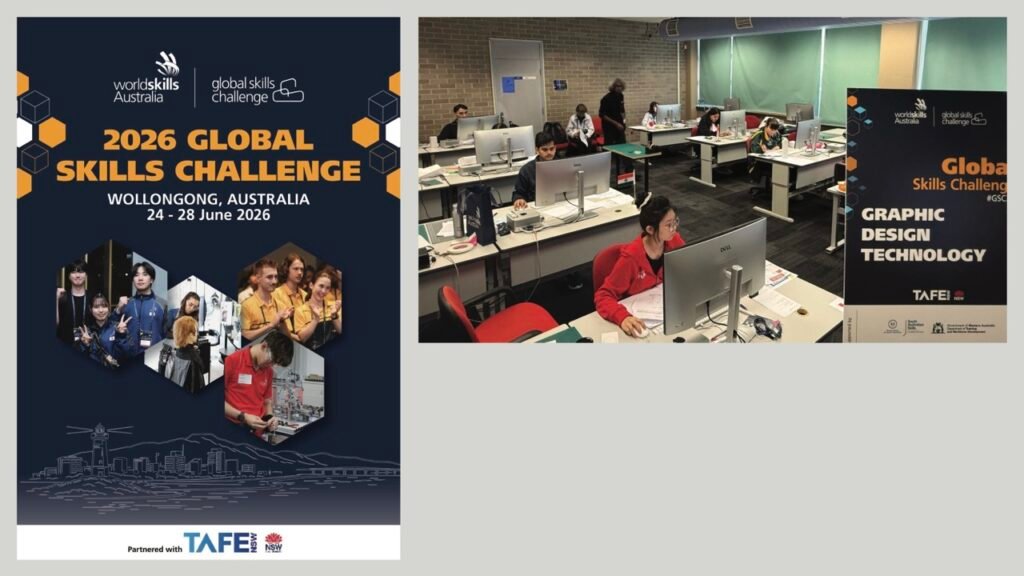
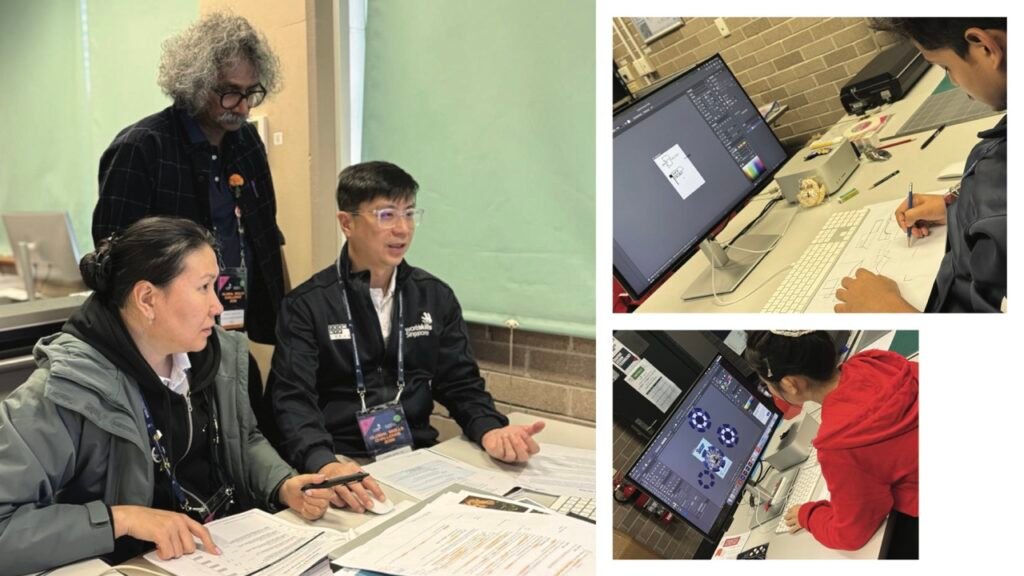
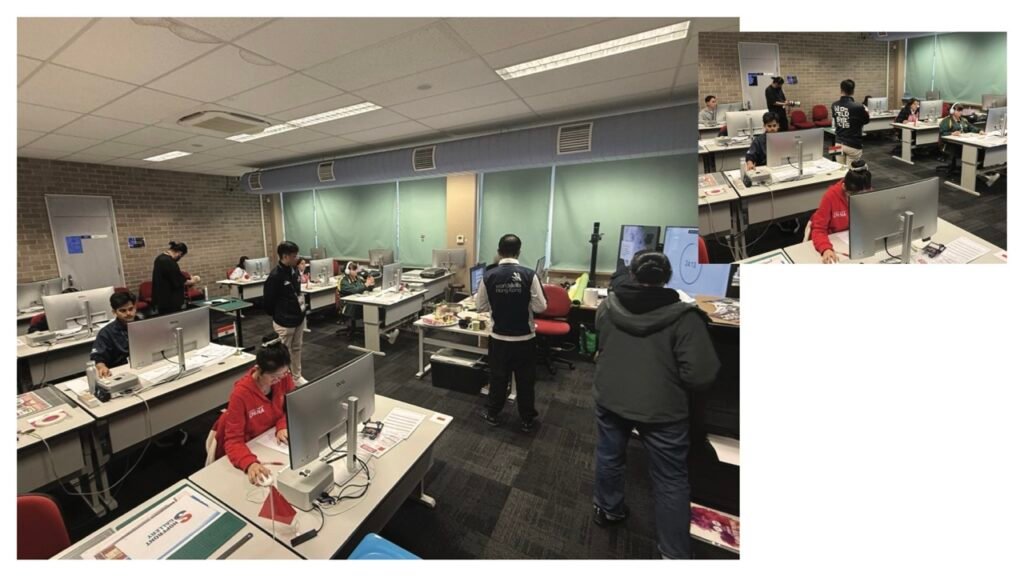
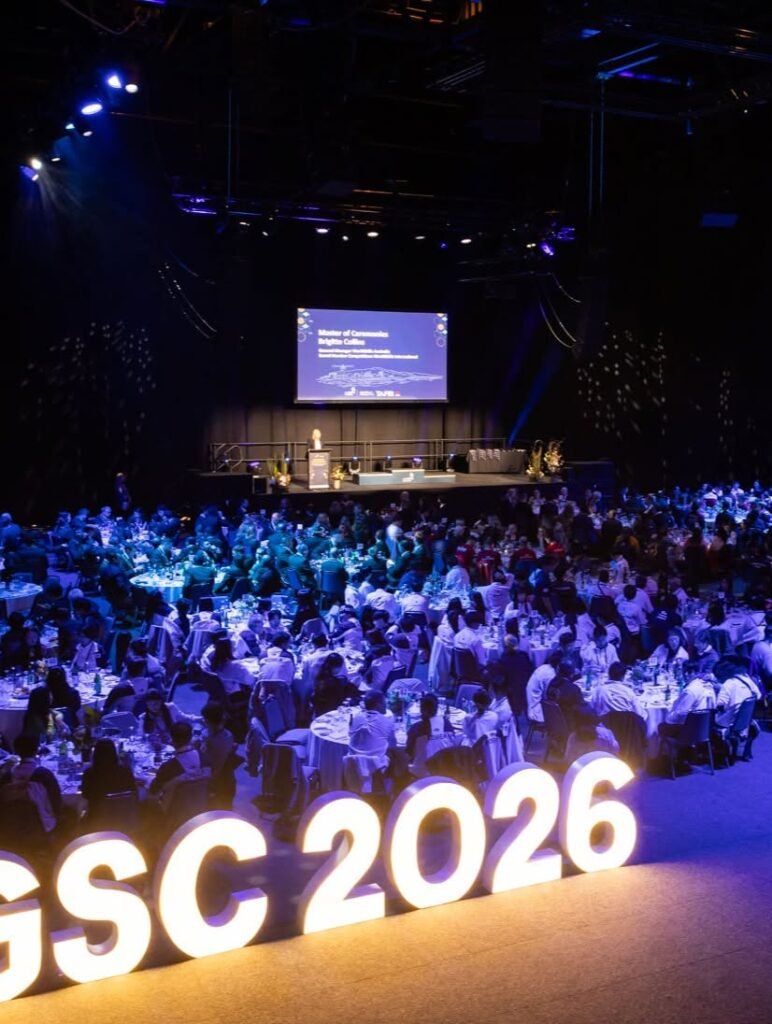
Staged by WorldSkills Australia in conjunction with TAFE NSW, GSC26 was the largest international skills excellence competition held in Australia this year.
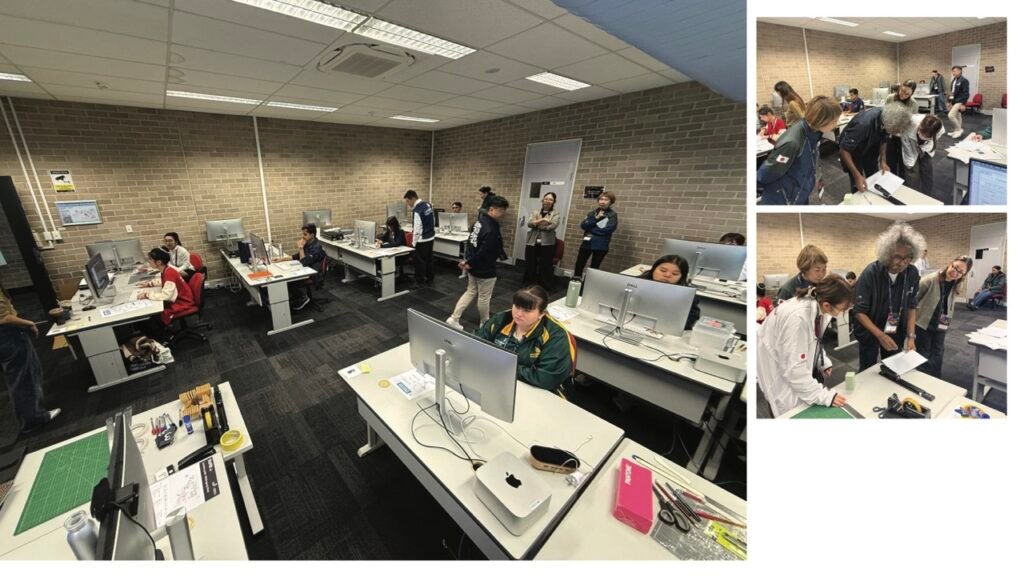
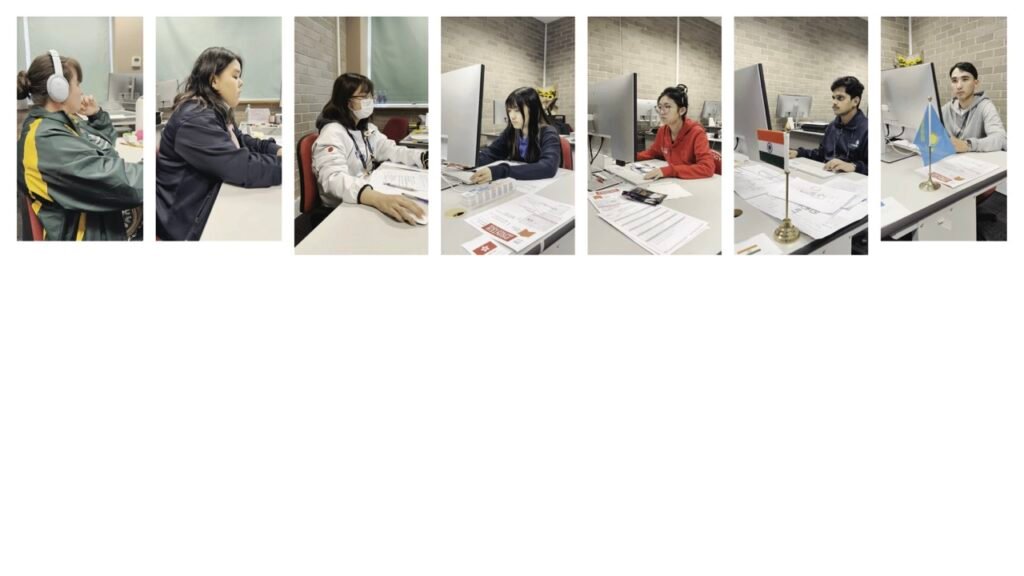
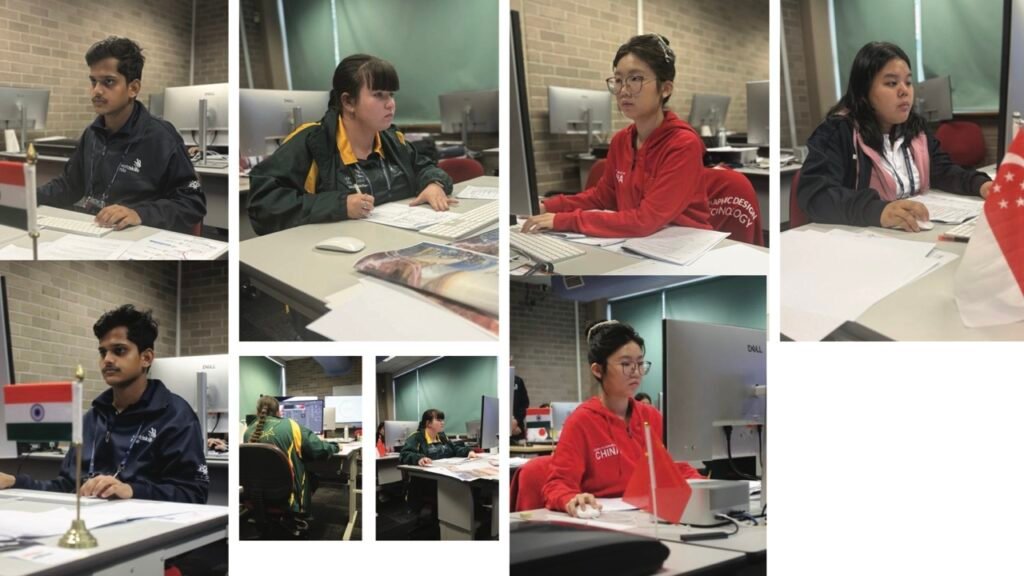
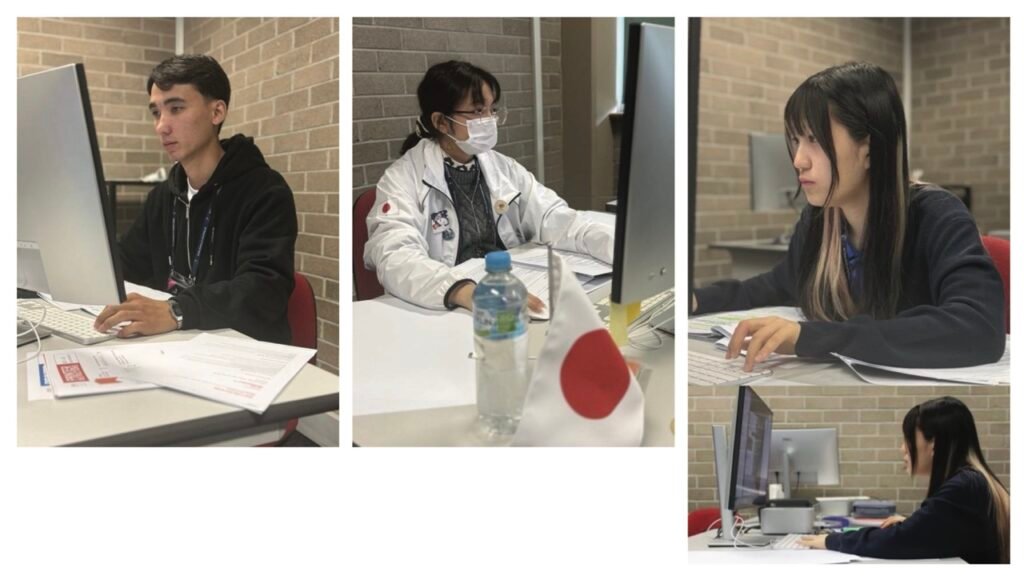
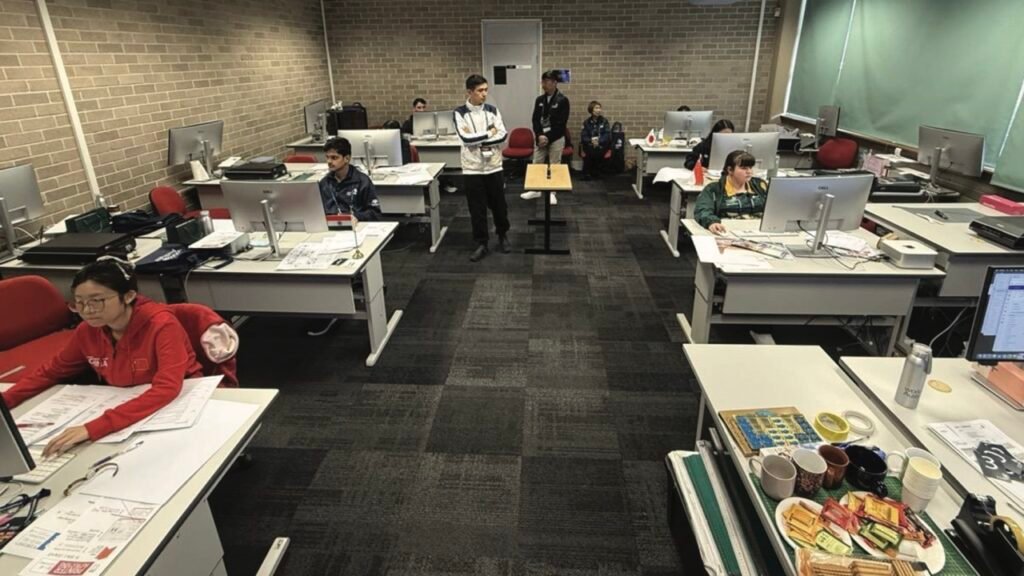
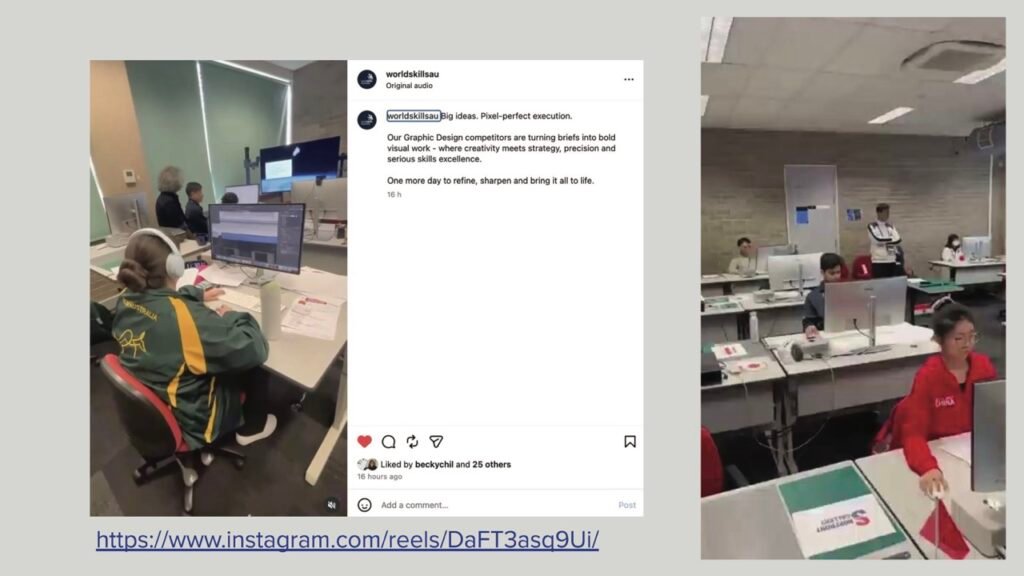
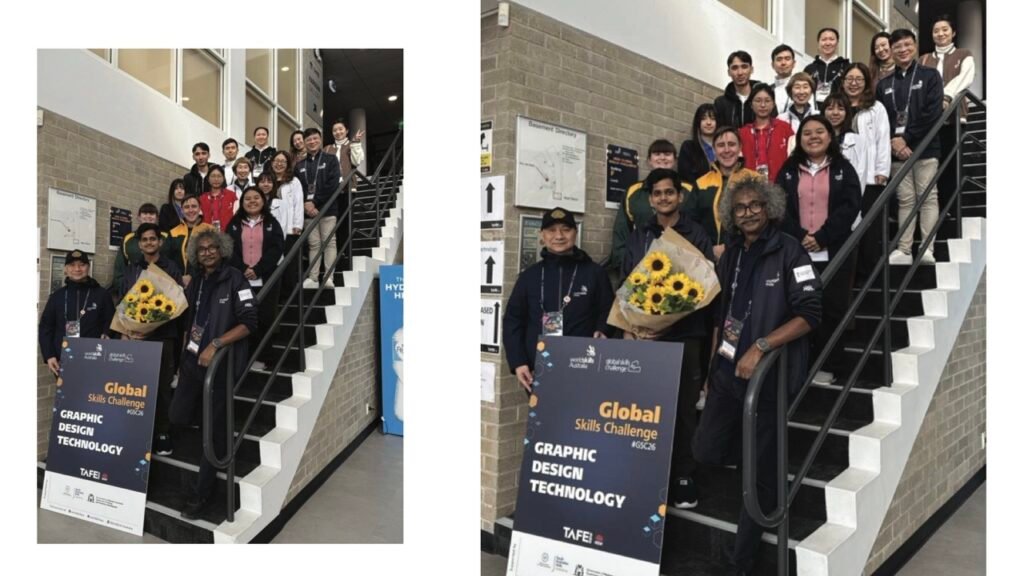
Competitors and officials from across the globe took part in 33 skill competitions hosted across three TAFE NSW campuses in Wollongong and Shellharbour.
What a week.
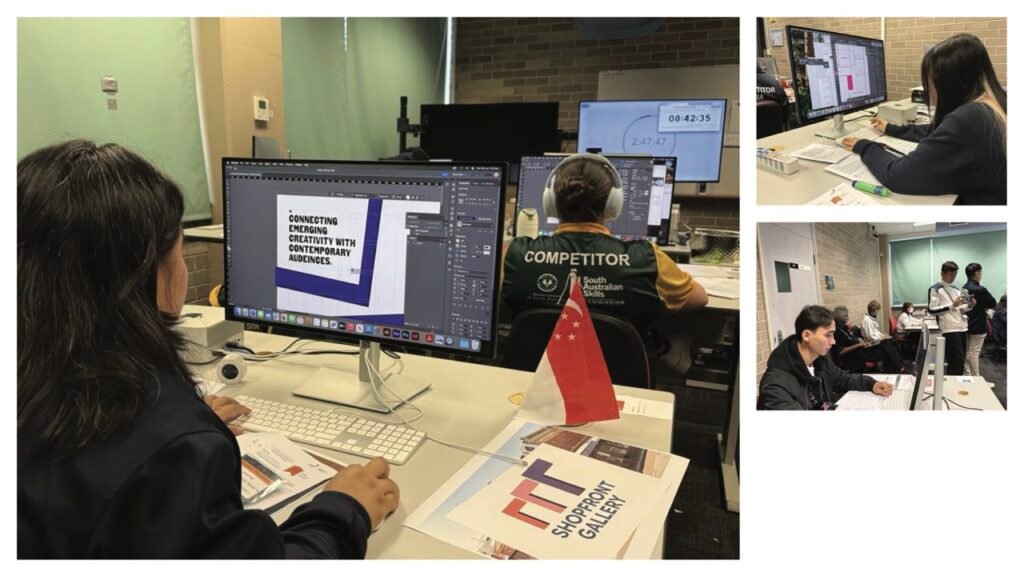
Preparation never feels 100% complete. Months of work and learning are condensed into just 15 minutes of test project reading time before the competition begins.
In hindsight, I should have included a masterclass-style learning experience focused on skills excellence and competition readiness. But, a short CIS judgement demo before familiarisation would have to suffice. I also didn’t create enough opportunities for competitors to talk, properly introduce themselves and connect with one another. There wasn’t enough emphasis on sharing work during lunches or celebrating different approaches to the same challenge. Some of the most valuable tips, inspiration and learning come from understanding how others solve the exact same problem. Competitors are responding to the same brief, words and imagery, but the real value lies in appreciating the unique thinking and problem-solving behind each solution.
Interestingly, problem-solving remains the area where Emilie has the greatest opportunity for improvement. The clues to solving a brief are usually hidden in the audience and target demographic, while the key to creating something meaningful is often hiding in plain sight.
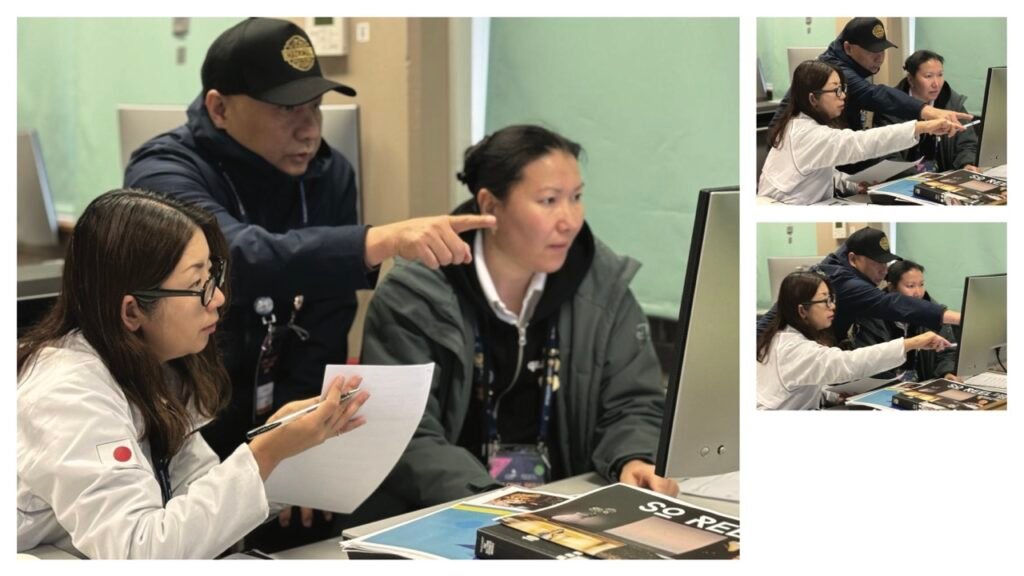
The introduction of daily feedback sheets was a positive change. I’m glad we captured that evidence and reflection throughout the competition.
My Highlights & Rushed Notes
Some standout GSC moments included:
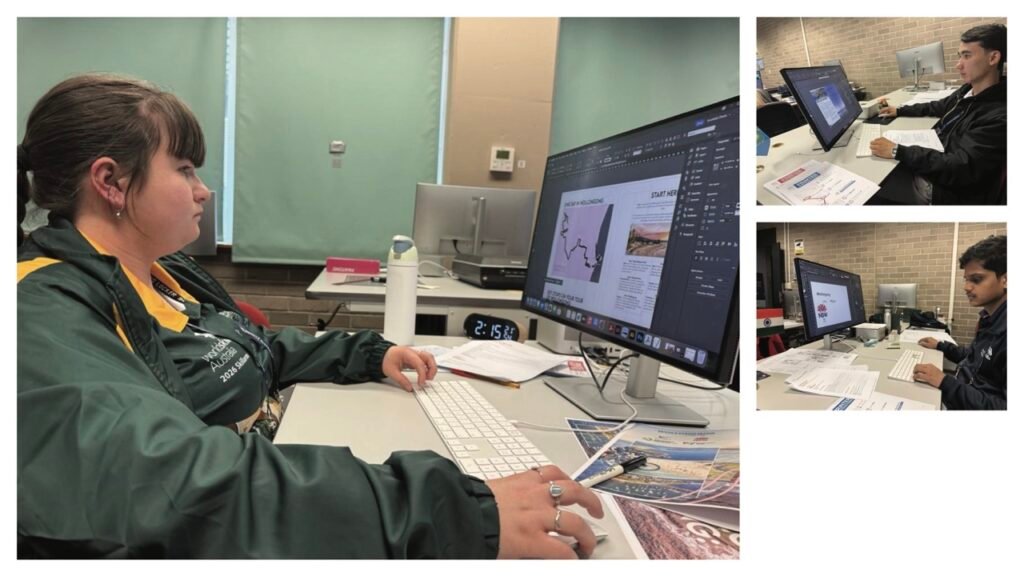
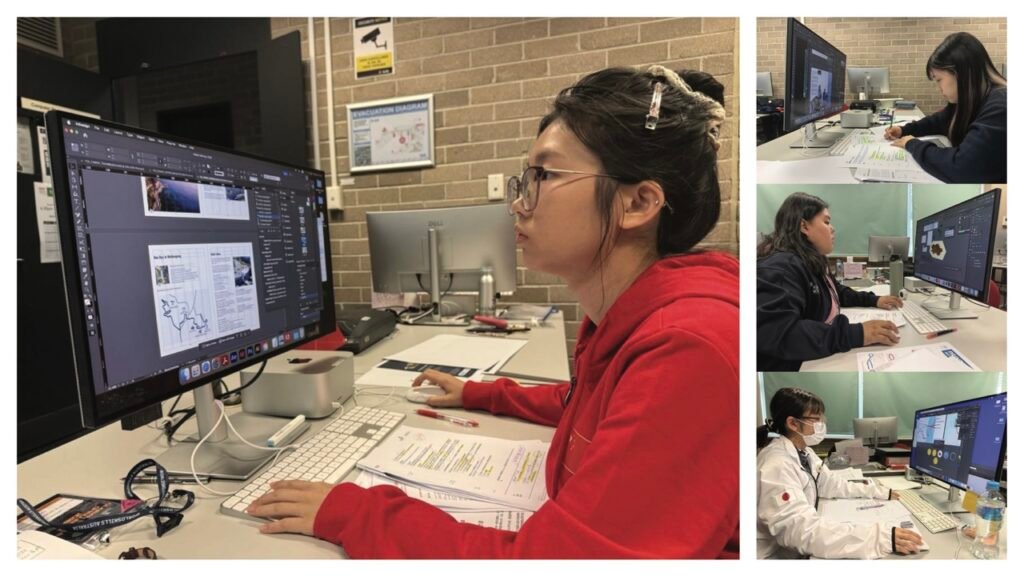
- Emilie adapting an animation solution in Photoshop, then successfully deploying it in competition. It was a strong outcome and well received by the judges.
- Listening to feedback and suggestions just minutes before start time and adjusting the overall plan accordingly.
- Maintaining strong pace and urgency throughout the competition, while demonstrating an excellent understanding of new AI tools that save time and increase efficiency.
- Bringing friendliness, positivity and energy that made the team environment welcoming, supported by ever-present family encouragement.
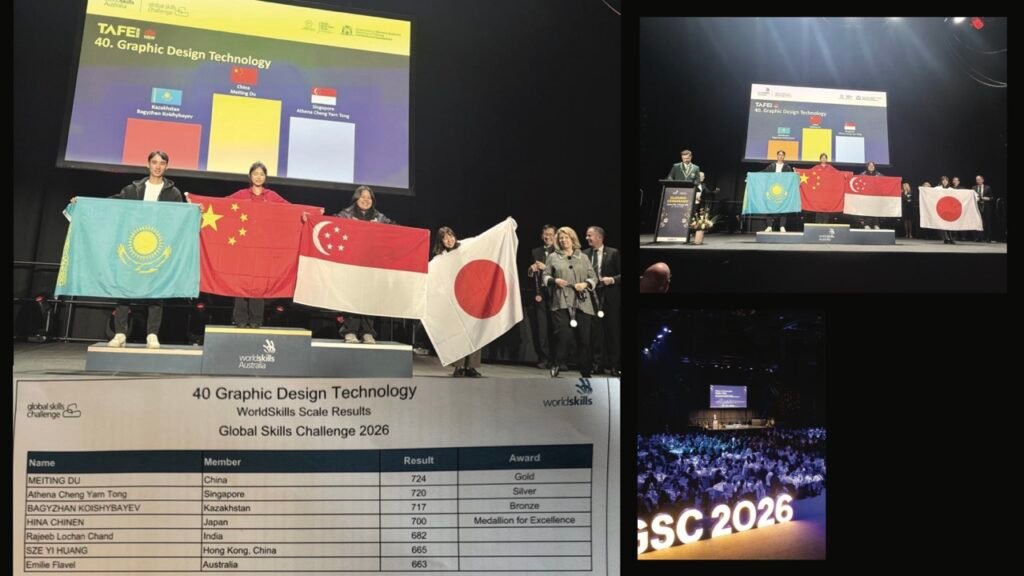
- Receiving an incredible offer to train alongside the Chinese 🇨🇳 competitor in Shenzhen this July. The potential learning opportunity for all of us is enormous.
Learnings and Improvements
- File naming and measurements: Frequent file naming errors and incorrect measurements continue to impact results.
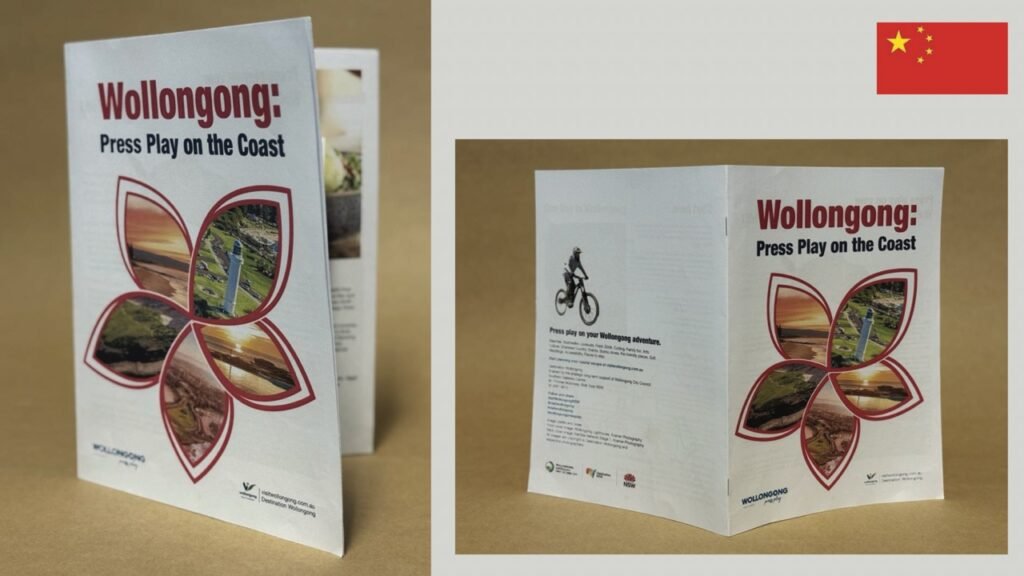
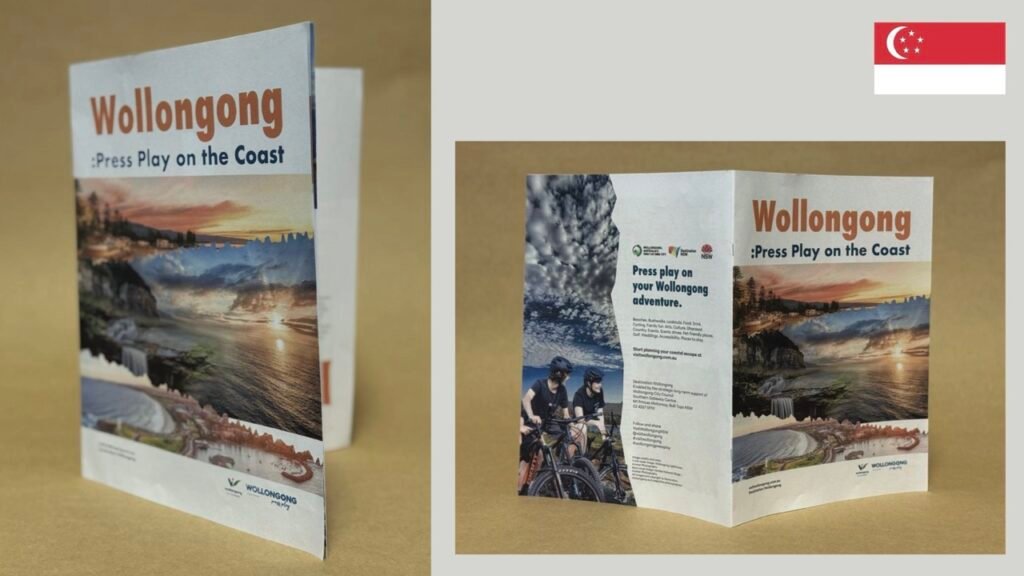
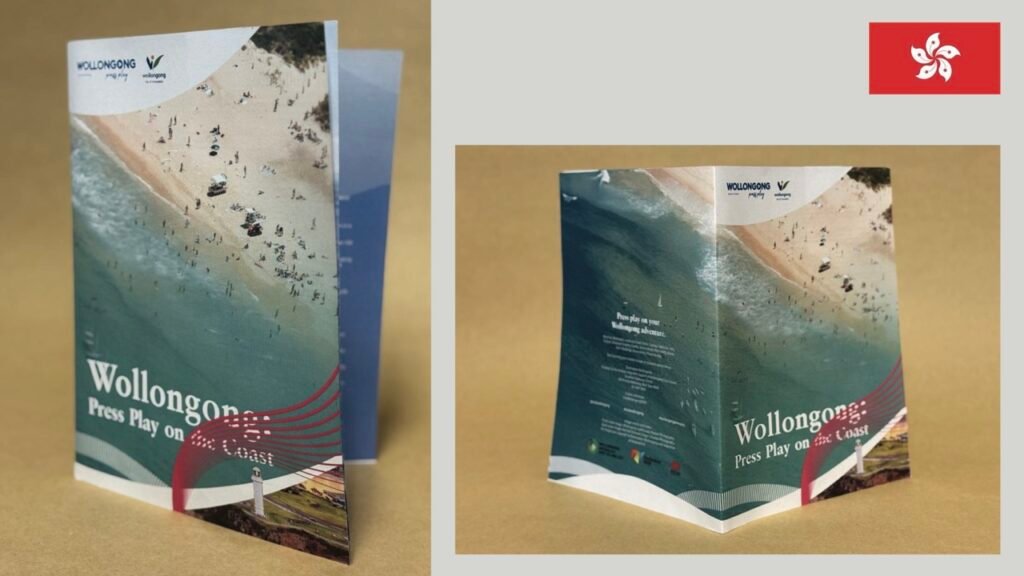
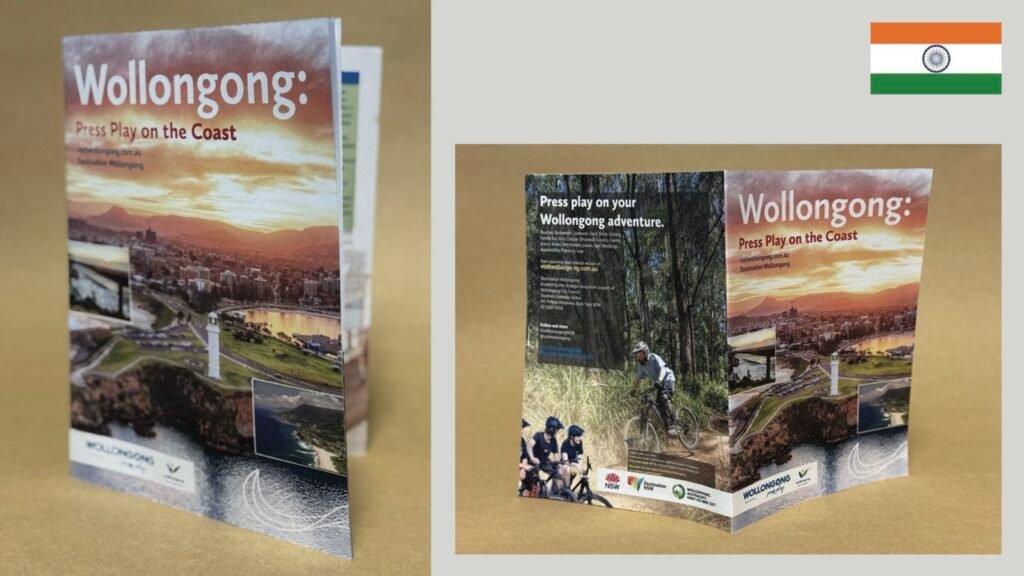
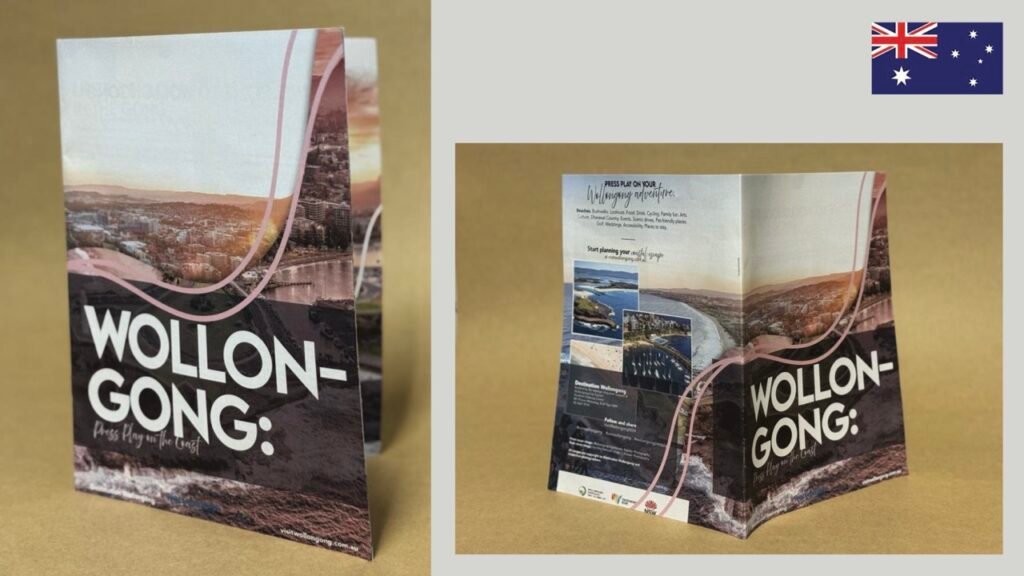
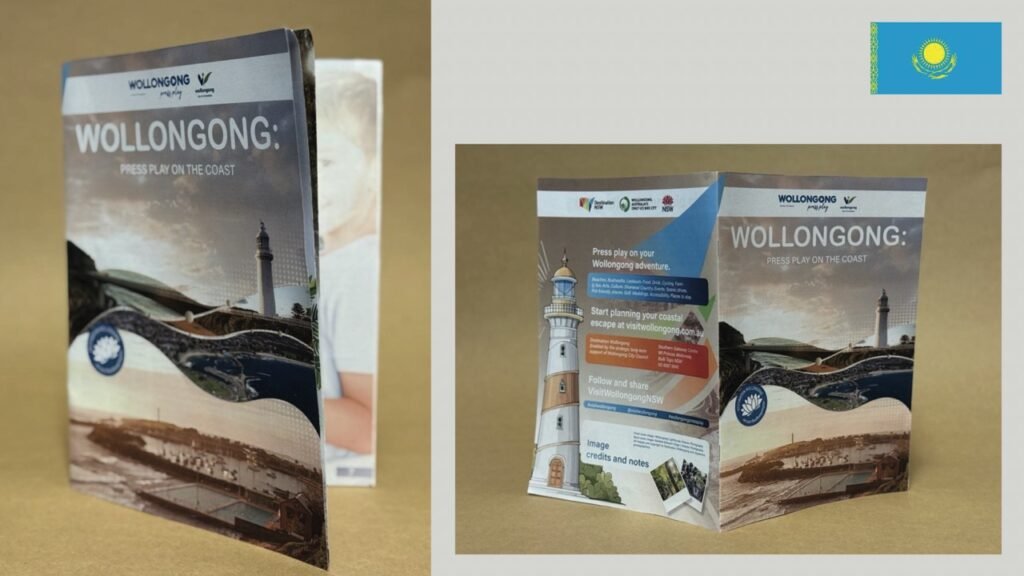
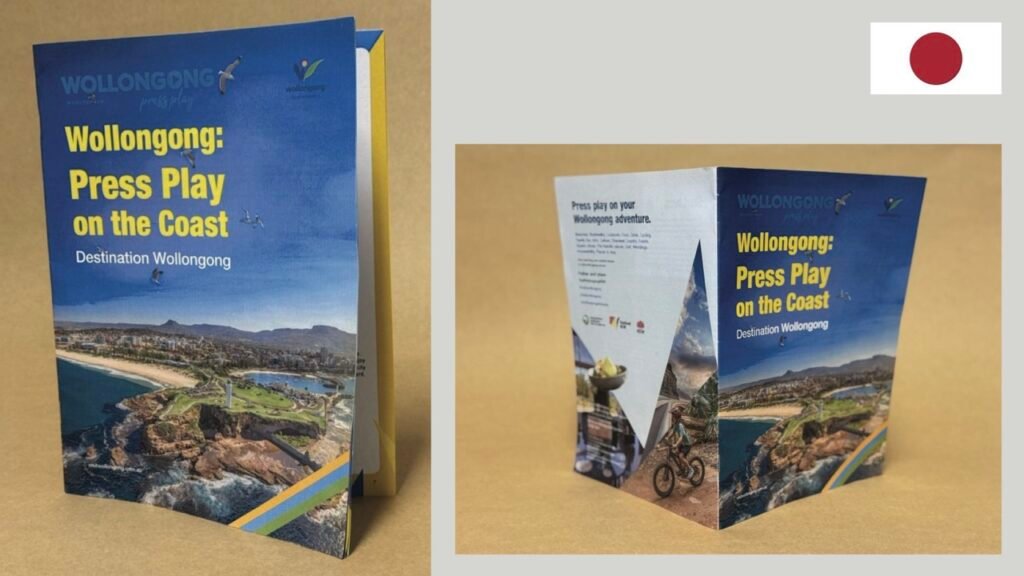
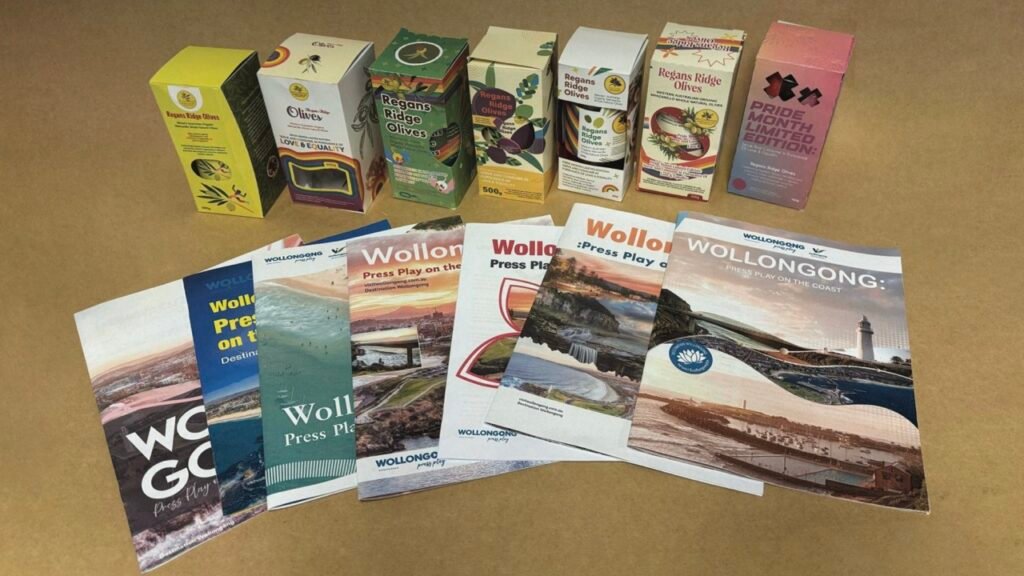
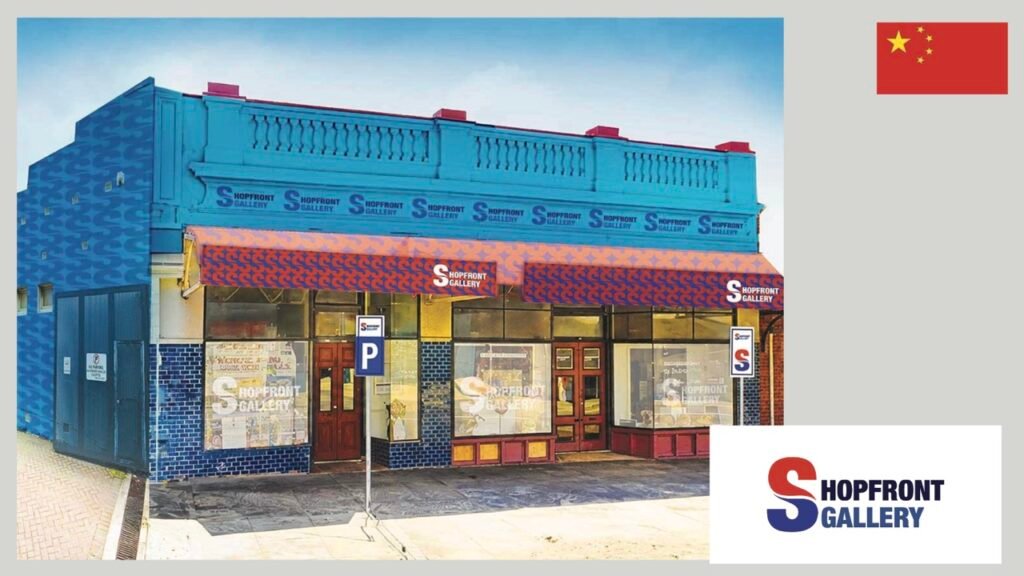
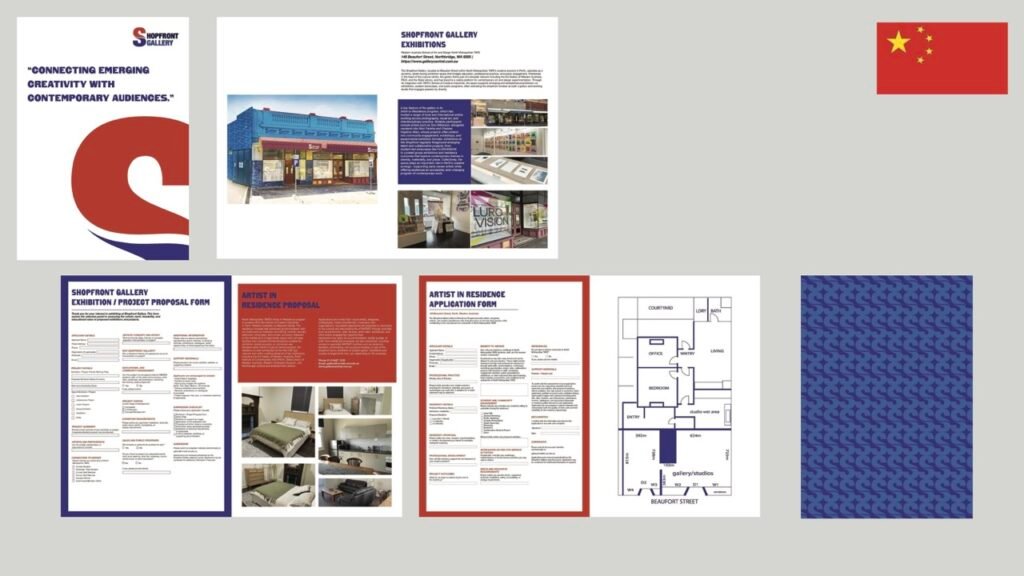
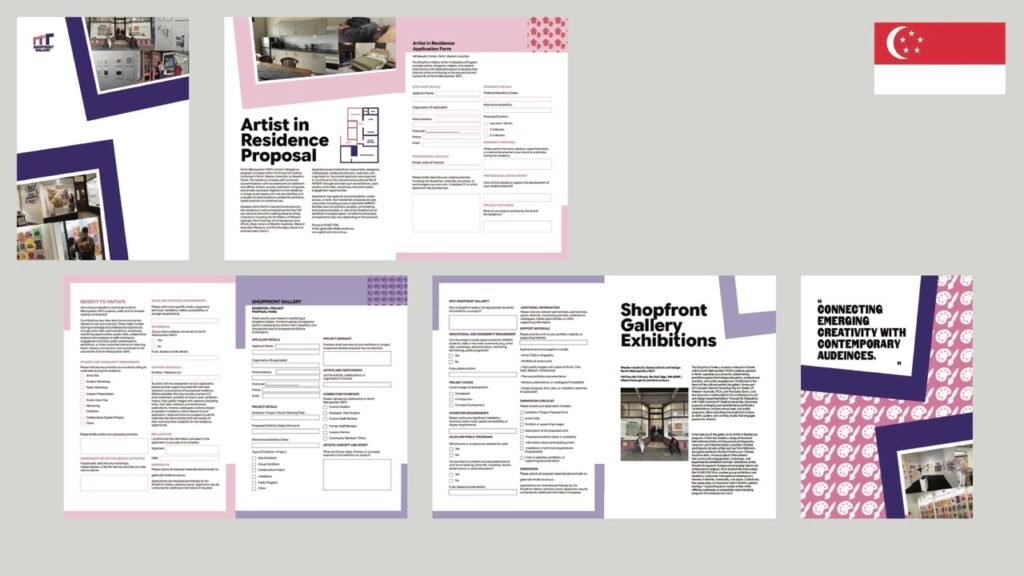
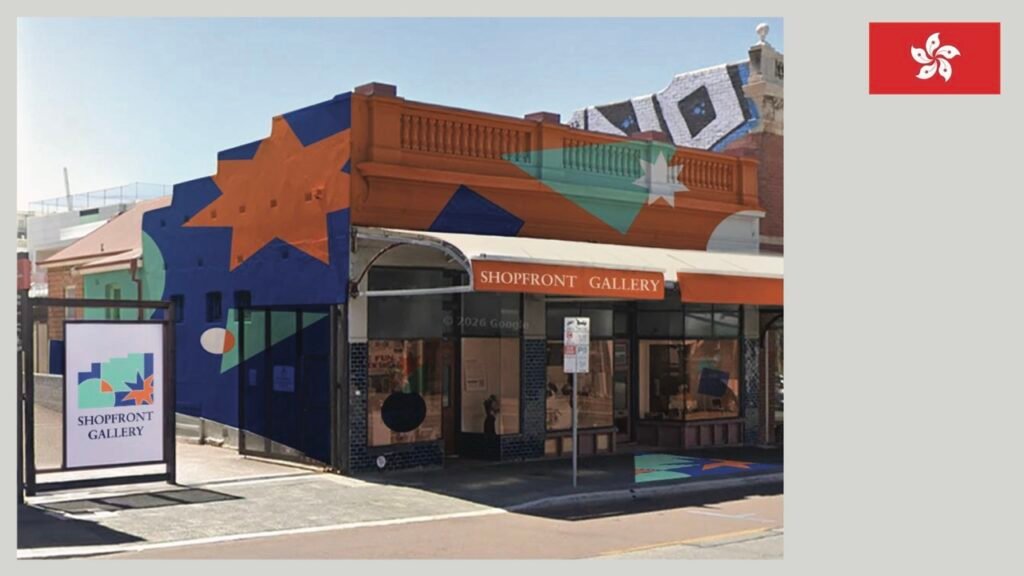
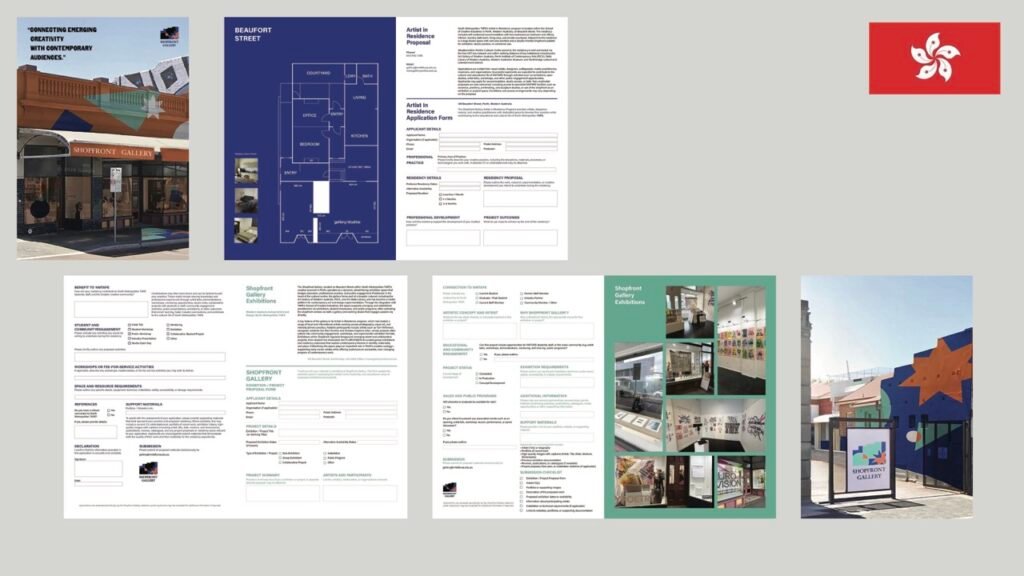
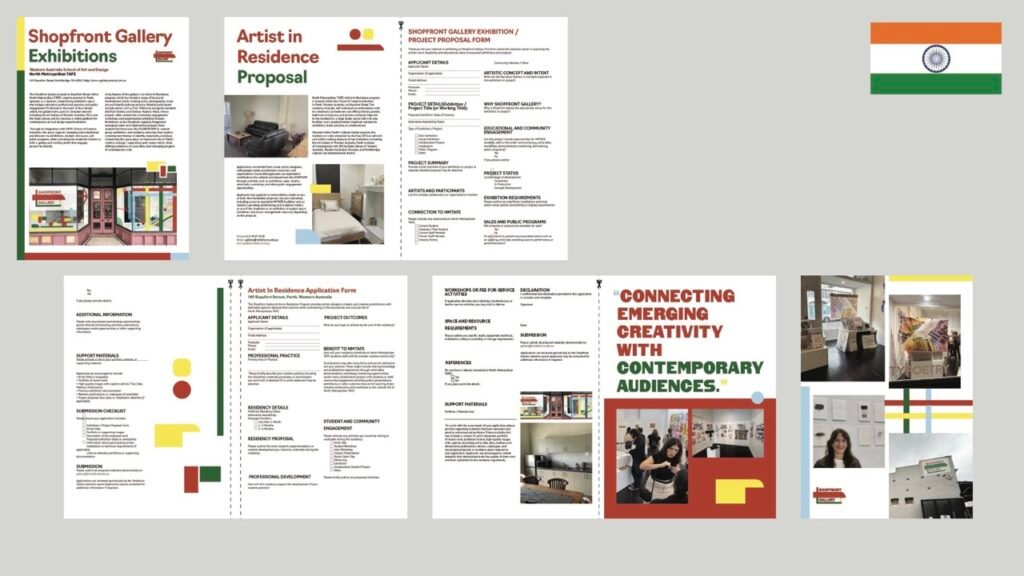
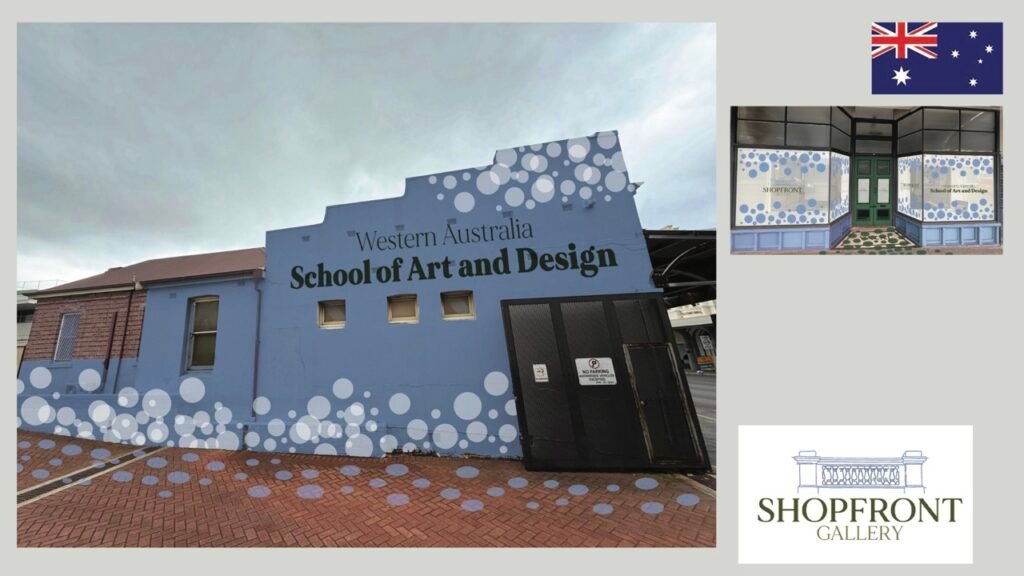
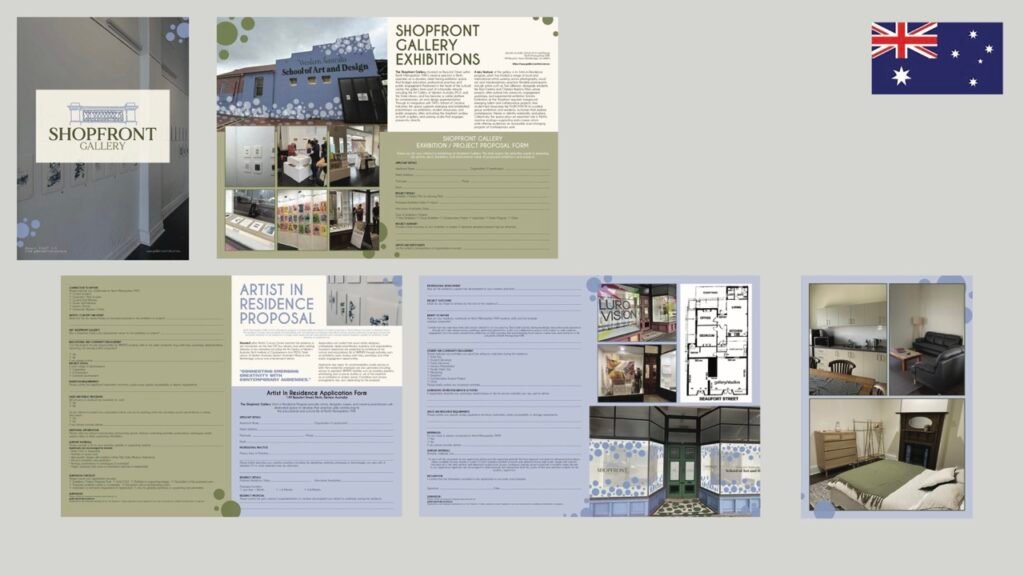
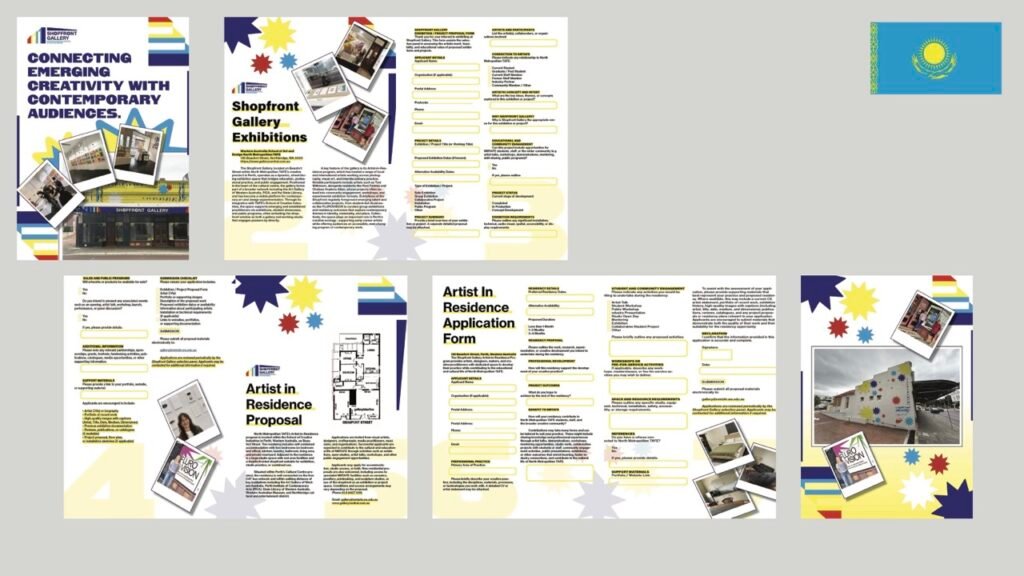
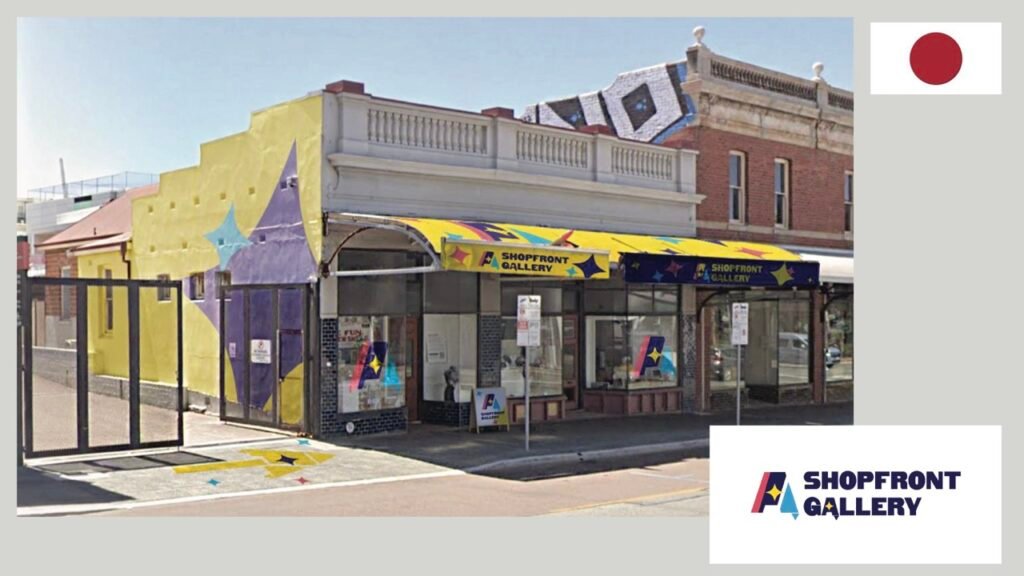
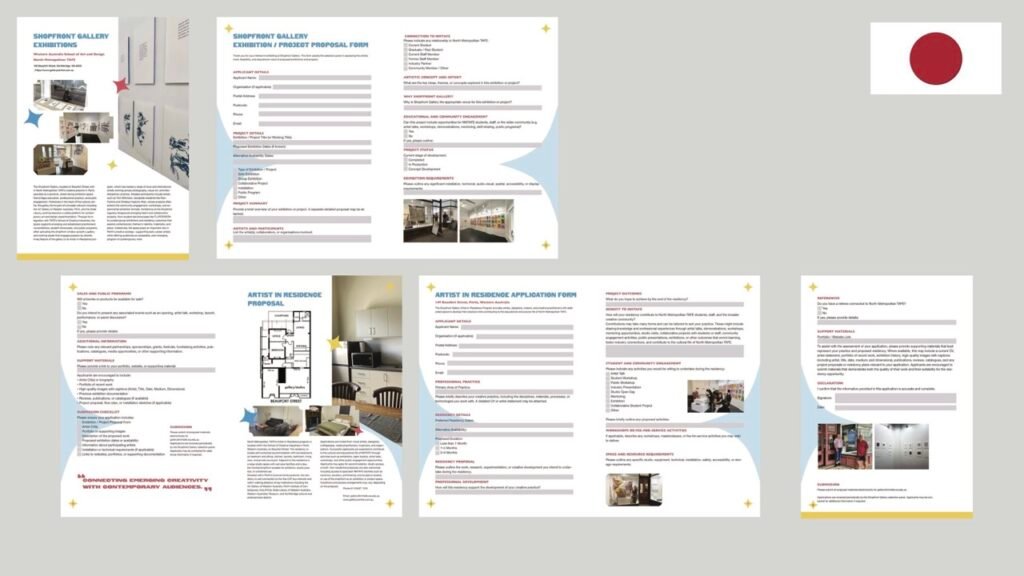
Action: Create dedicated tutorials that unpack each issue, demonstrate the correct process, and recalculate scores based on corrected submissions to show the tangible ranking improvement. - Photo cropping and composition: Better cropping would improve perceived scale and presentation. The cover image for the Shopfront Application for example wasn’t the most colourful, and Wollongong cover left a lot of sky (white space) that could have accommodated logos and text (for example).
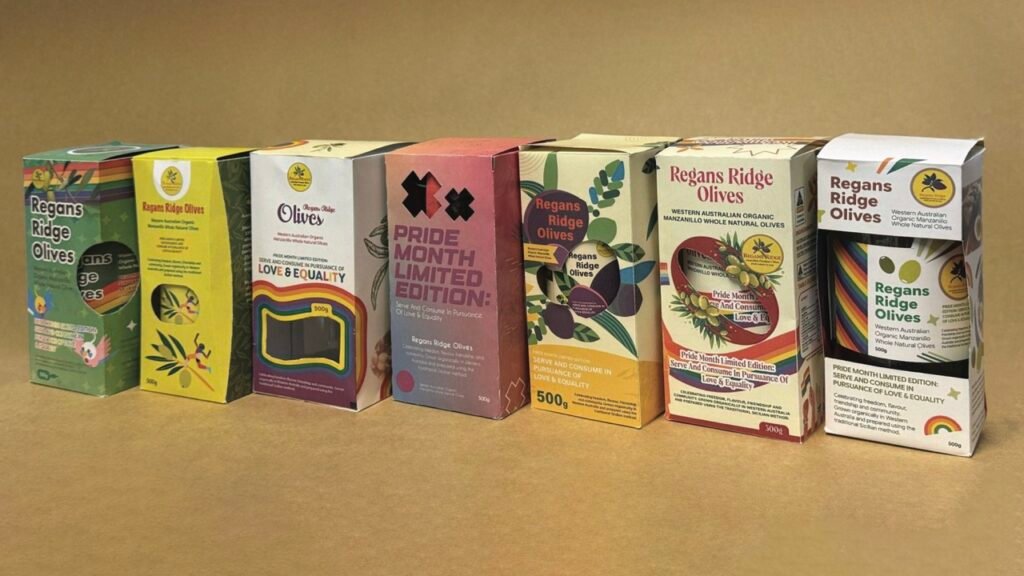
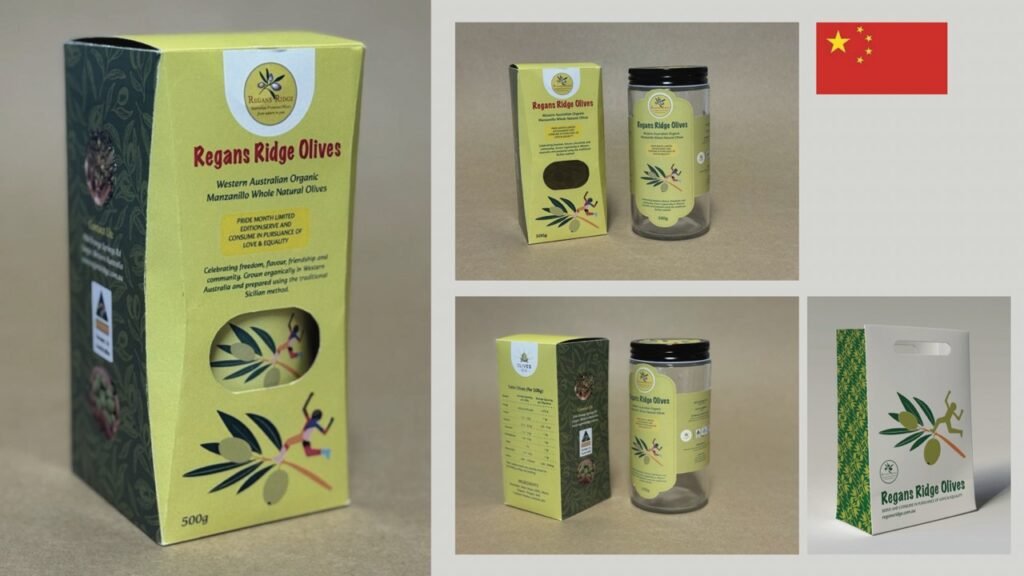
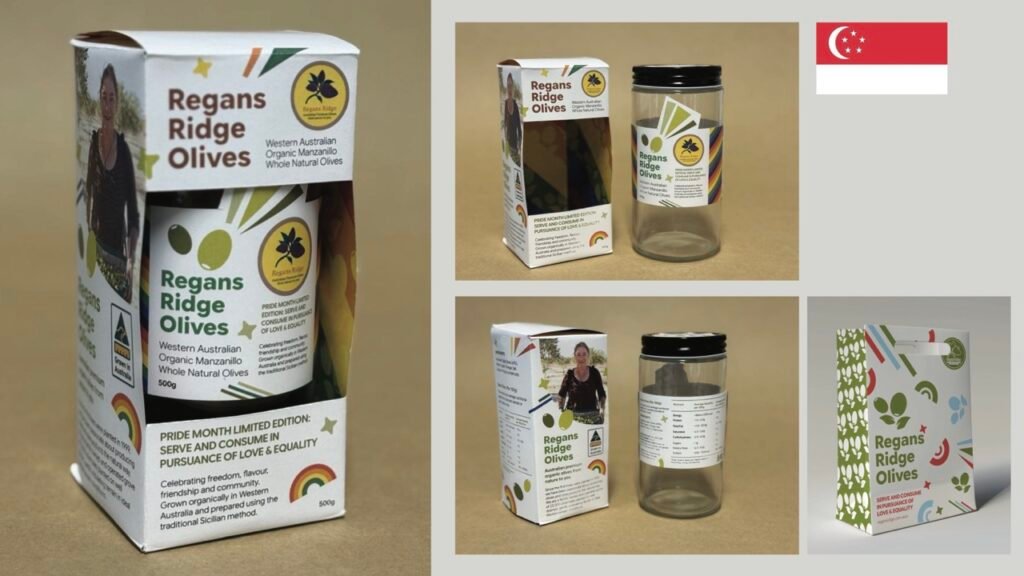
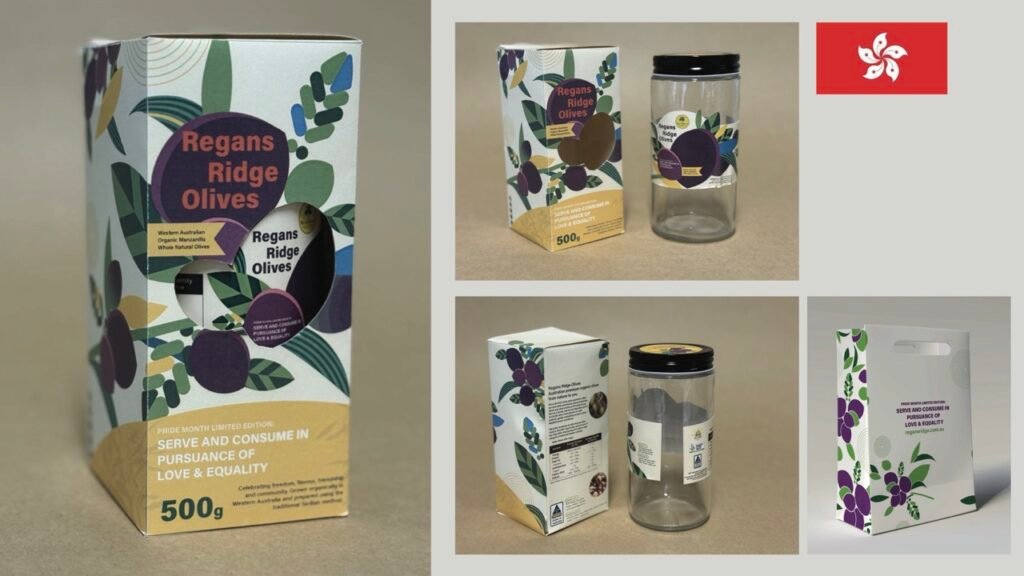
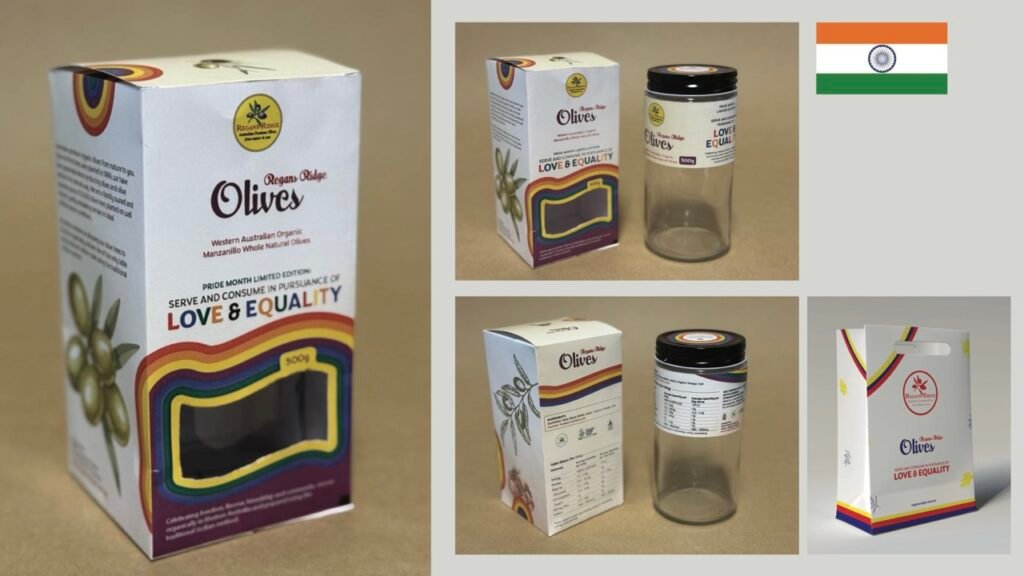
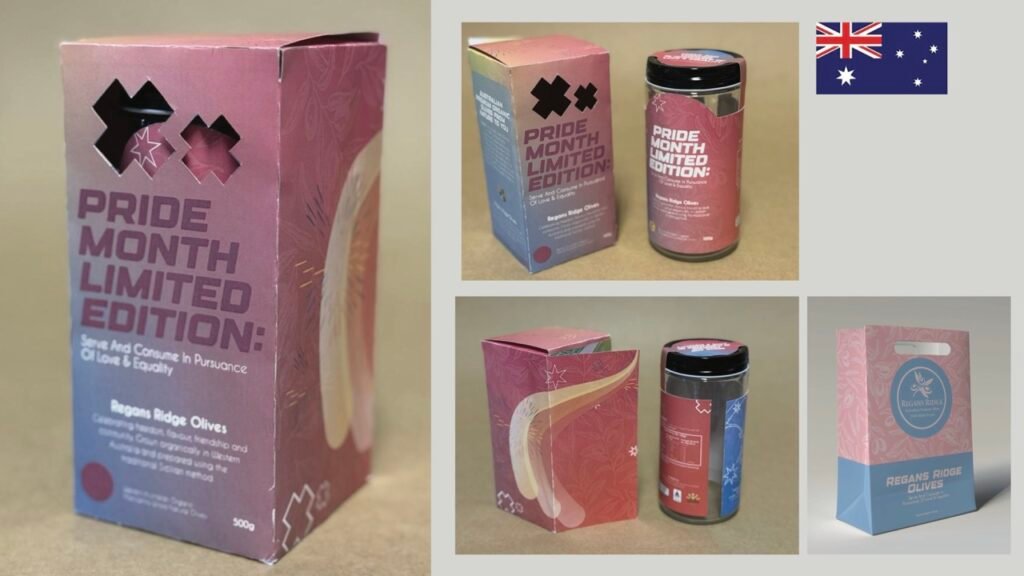
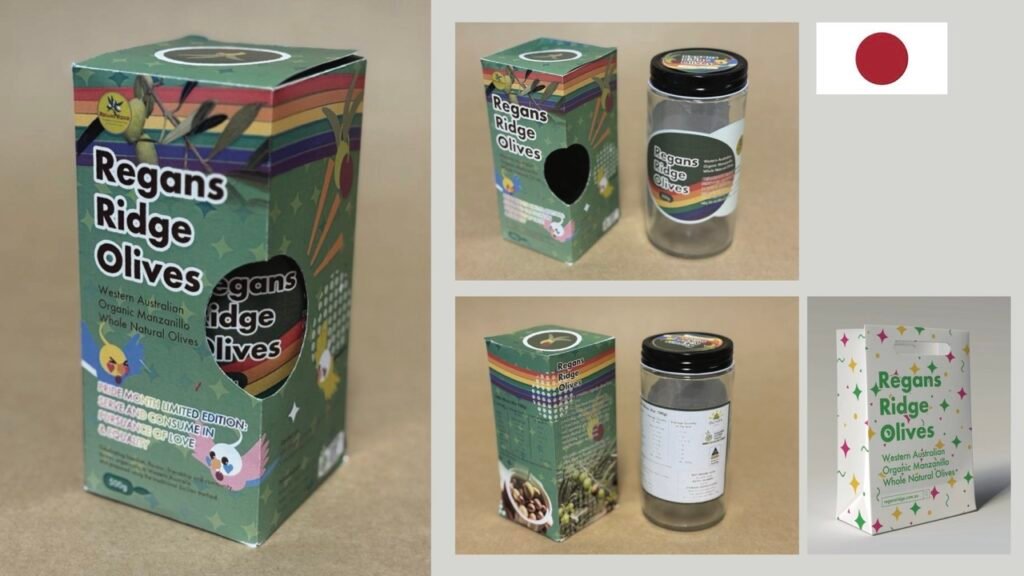
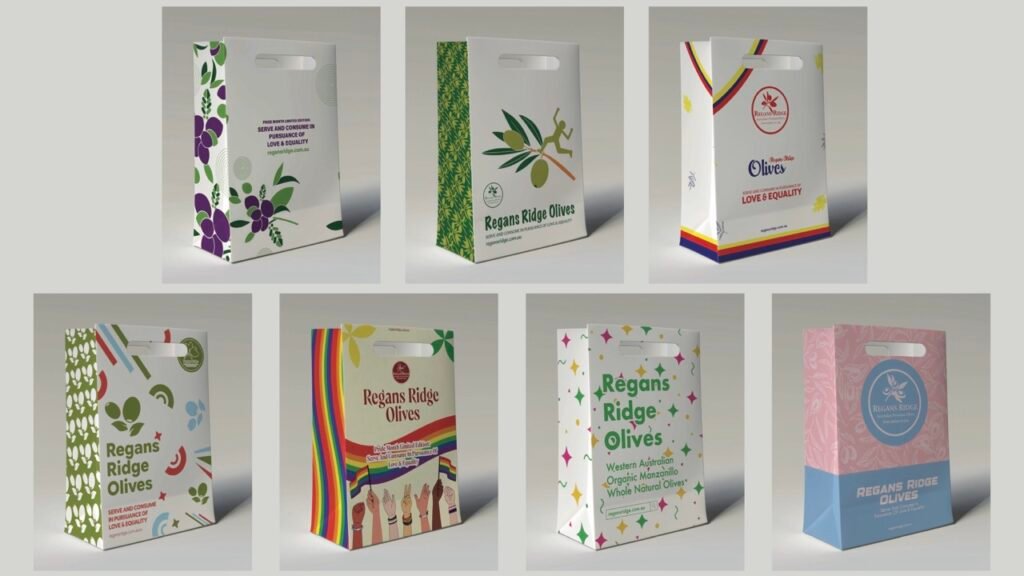
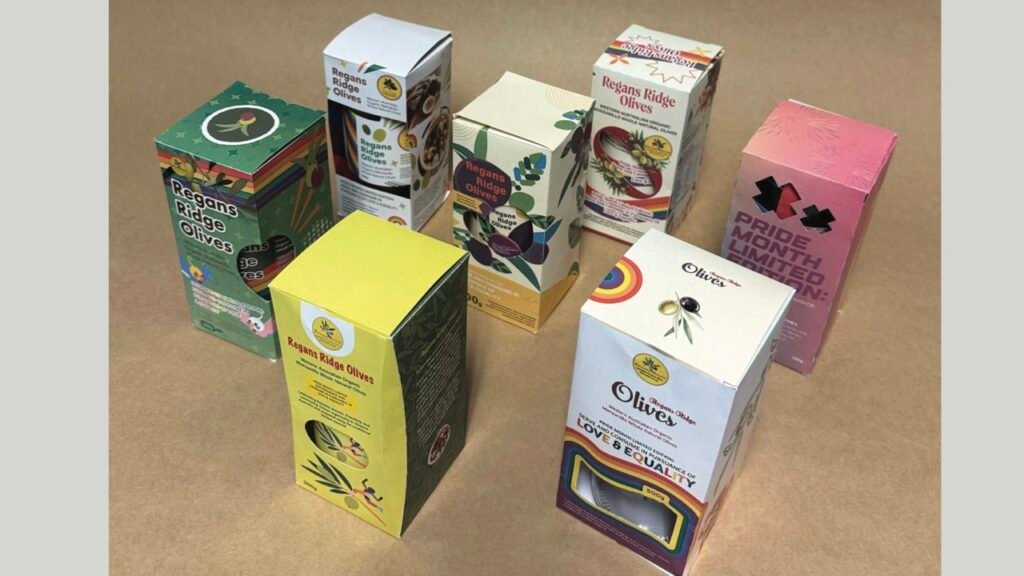
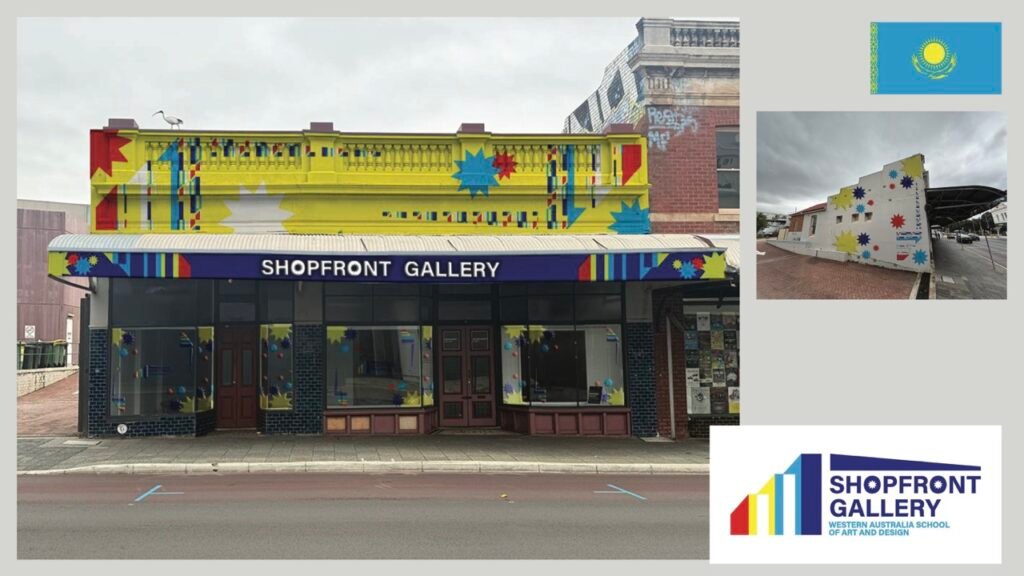
Action: Include this in the same targeted tutorial approach. - Colour contrast and colour strength: The Pride Month Olives concept overall lacked the boldness and vibrancy expected of the theme. Most successful reference materials used strong, confident colour palettes.
- Competitor-led reflection: Return to competitors more often and ask deeper questions about what they see as areas requiring additional development. These insights can offer help shape the training plan, and just writing this down helps training and tutorials.
- Updated Training format: Focus on shorter tutorials, drills and routines rather than relying heavily on long-form test projects. Many things often, then link the big international past test projects.